In our fast-paced world, staying on top of our health has never been more crucial. We’re constantly seeking tools that empower us to live better, and few technologies have transformed personal well-being quite like the smartwatch with ECG. Once a futuristic concept, these sophisticated wearables are now indispensable companions, offering real-time insights into our heart health and putting critical information literally at our fingertips. Gone are the days when comprehensive heart monitoring was solely confined to a doctor’s office; today, your smartwatch can be your first line of defense, providing a window into your body’s most vital organ.
|
Our Picks for the Best Smartwatch in 2026
As an Amazon Associate I earn from qualifying purchases.
|
||
| Num | Product | Action |
|---|---|---|
| 1 | Apple Watch Series 11 [GPS 42mm] Smartwatch with Rose Gold Aluminum Case with Light Blush Sport Band - S/M. Sleep Score, Fitness Tracker, Health Monitoring, Always-On Display, Water Resistant |
![Check Apple Watch Series 11 [GPS 42mm] Smartwatch with Rose Gold Aluminum Case with Light Blush Sport Band - S/M. Sleep Score, Fitness Tracker, Health Monitoring, Always-On Display, Water Resistant on Amazon](https://bplow.com/wp-content/plugins/amazon-tables/assets/images/buy.png)
|
| 2 | Smart Watch with Alexa Built-in, 1.83\" HD Touchscreen Fitness Tracker with Bluetooth Calling, Fitness Watch with Heart Rate/Sleep Monitor/120+ Sports, IP68 Waterproof Smartwatch for Android iOS, Pink |
|
| 3 | WHOOP 5.0/MG Activity Tracker - 12 Month Membership - Health and Fitness Wearable – 24/7 Activity and Sleep Tracker, Personalized Coaching, Menstrual Cycle Insights – 14+ Days Battery Life |
|
| 4 | Smart Watch for Men Women with Bluetooth Calls, 1.83\"HD Touchscreen Fitness Tracker, 110+Sport Modes, Heart Rate/Sleep Monitor/Pedometer, IP68 Waterproof, Activity Tracker for Android iOS, Dark Green |
|
| 5 | Amazfit Bip 6 Smart Watch 46mm, 14 Day Battery, 1.97\" AMOLED Display, GPS & Free Maps, AI, Bluetooth Call & Text, Health, Fitness & Sleep Tracker, 140+ Workout Modes, 5 ATM Water-Resistance, Black |
|
| 6 | Fitbit Charge 6 Fitness Tracker with Google apps, Heart Rate on Exercise Equipment, 6-Months Premium Membership Included, GPS, Health Tools and More, Obsidian/Black, One Size (S & L Bands Included) |
|
| 7 | Smart Watch with Alexa Built-in, 1.83\" HD Touchscreen Fitness Tracker with Bluetooth Calling, Fitness Watch with Heart Rate/Sleep Monitor, 120+ Sports Modes, IP68 Waterproof Smartwatch for Android iOS |
|
| 8 | Smart Watch for Men, 120 Sports Modes Smartwatch with 1.83\" HD Touchsreen, IP67 Waterproof, Sleep Monitor, Bluetooth Call & Music Control Fitness Watch for Android/iPhone (Black) |
|
| 9 | SAMSUNG Galaxy Watch 7 40mm Bluetooth AI Smartwatch w/Energy Score, Wellness Tips, Heart Rate Tracking, Sleep Monitor, Fitness Tracker, 2024, Cream [US Version, 1Yr Manufacturer Warranty] |
|
| 10 | Smart Watch for Men Women with Bluetooth Calls, Black |
|
What is an ECG Smartwatch and How Does It Work?
Understanding ECG Technology in Wearables
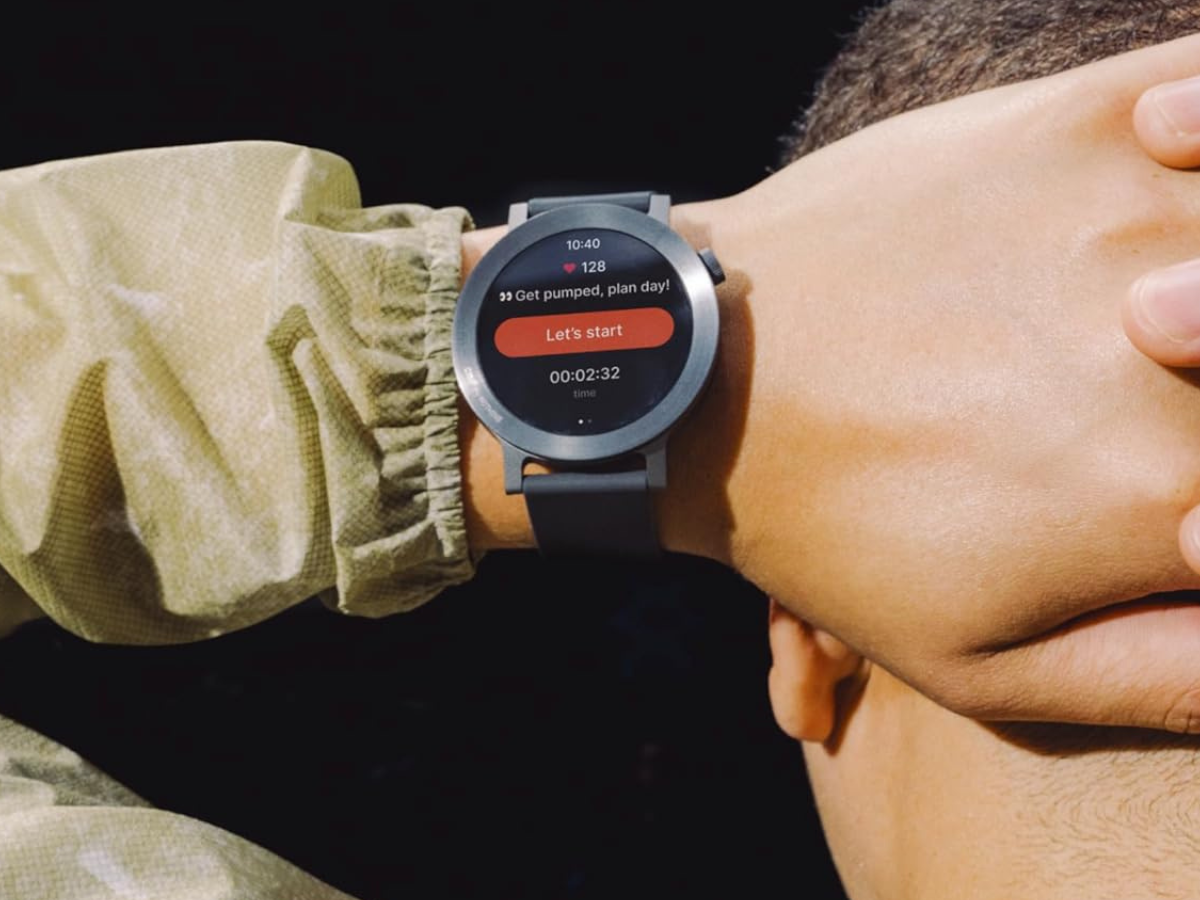
An Electrocardiogram (ECG or EKG) is a non-invasive test that records the electrical signals of your heart, providing medical professionals with valuable data about its rhythm and overall function. A smartwatch with ECG brings a simplified version of this powerful diagnostic tool directly to your wrist. While not a substitute for a clinical ECG, these devices are specifically designed to detect signs of common heart conditions, most notably Atrial Fibrillation (AFib), which is an irregular heart rhythm that can lead to serious health complications if left undiagnosed.
The Science Behind the Scan: A Simple Explanation
When you initiate an ECG reading on your smartwatch, you typically place a finger (often from your opposite hand) on the watch’s digital crown or a designated button. This action completes an electrical circuit, allowing the smartwatch to measure the tiny electrical impulses generated by your heart. These impulses are then translated into an ECG waveform, which the watch’s algorithms analyze. Within seconds, your smartwatch can provide a classification of your heart rhythm – usually as “sinus rhythm” (normal), “atrial fibrillation,” or “inconclusive.” This quick, on-demand assessment can be a powerful tool for proactive health management.
The Evolution of Smartwatches: From Timekeepers to Health Guardians
The journey of the smartwatch has been remarkable. What began as simple digital timepieces with basic notification capabilities has blossomed into sophisticated health and wellness hubs. Early smartwatches focused on fitness tracking—counting steps, calories, and monitoring sleep. However, as sensor technology advanced, so did their capabilities. The integration of advanced heart rate sensors paved the way for more detailed cardiovascular insights, eventually leading to the groundbreaking introduction of the smartwatch with ECG. This evolution underscores a significant shift: smartwatches are no longer just gadgets; they are increasingly vital instruments for personal health surveillance, offering peace of mind and actionable data.
Key Features and Integrated Technologies Beyond ECG
A smartwatch with ECG offers much more than just heart rhythm analysis. These devices are packed with an array of features designed to provide a holistic view of your health and enhance your daily life.
Comprehensive Health Tracking Suites
Beyond ECG, modern smartwatches typically include:
- Continuous Heart Rate Monitoring: Tracks your heart rate throughout the day and during exercise.
- Blood Oxygen (SpO2) Monitoring: Measures the oxygen saturation in your blood, indicating respiratory and circulatory health.
- Sleep Tracking: Analyzes sleep stages, duration, and quality, offering insights into sleep patterns.
- Stress Monitoring: Assesses stress levels and often provides guided breathing exercises.
- Activity Tracking: Records steps, distance, calories burned, and various workout types.
- Fall Detection: A critical safety feature that can automatically alert emergency contacts if a fall is detected.
Seamless Integration with Your Digital Life
These health capabilities are seamlessly integrated with the convenience of a modern smartwatch. You can receive notifications, make calls, send texts, control music, and even make contactless payments directly from your wrist. Many smartwatches also offer GPS for workout tracking, ample storage for music, and robust app ecosystems that allow for further customization and functionality. This blend of health monitoring and everyday utility makes the smartwatch with ECG an incredibly versatile device.
Setting Up and Optimizing Your ECG Smartwatch
Getting the most out of your smartwatch with ECG involves a few simple steps and best practices to ensure accurate readings.
First Steps: Getting Started with Your Device
Upon unboxing your new smartwatch, the setup process is typically straightforward:
- Pair with Your Smartphone: Download the accompanying app (e.g., Apple Health, Samsung Health, Fitbit app) and follow the on-screen instructions to pair your smartwatch via Bluetooth.
- Complete Profile: Enter your personal details like age, height, and weight to ensure more accurate health metrics.
- Enable Health Permissions: Grant necessary permissions for the watch to access and store health data.
- Calibrate (if applicable): Some models might require initial calibration for certain sensors.
- Familiarize with the ECG Feature: Locate the ECG app on your watch and practice taking a reading. The app will usually guide you through the correct placement of your finger.
Tips for Accurate Readings and Data Interpretation
For the most reliable ECG readings:
- Stay Still: Remain calm and still during the 30-second reading.
- Proper Placement: Ensure your watch is snug on your wrist, and your finger firmly (but not too hard) touches the digital crown or sensor.
- Cleanliness: Keep the watch sensors and your skin clean and dry.
- Avoid Interference: Electrical interference from other devices can affect readings.
- Understand Results: Your smartwatch will provide a basic classification. Remember, these are not diagnostic. If you receive an “Atrial Fibrillation” or “Inconclusive” reading, or if you feel unwell, consult a healthcare professional immediately.
Choosing the Right ECG Smartwatch for Your Lifestyle
With several excellent options on the market, selecting the ideal smartwatch with ECG can feel overwhelming. Consider these factors to make an informed choice.
Factors to Consider: Accuracy, Ecosystem, and Comfort
- Accuracy and Validation: Look for smartwatches that have received regulatory clearances (like FDA clearance in the US or CE mark in Europe) for their ECG feature. This indicates a certain level of clinical validation.
- Ecosystem Compatibility: Consider which smartphone you use. Apple Watches are best for iPhone users, while Samsung Galaxy Watches and Google Pixel Watches are generally optimized for Android. Fitbit Sense works well across both.
- Battery Life: ECG features can consume more power. Check typical battery life with regular use and ECG readings.
- Comfort and Style: You’ll be wearing this device daily, so ensure it’s comfortable and visually appealing. Consider materials, strap options, and watch face customization.
- Additional Health Features: Beyond ECG, evaluate other features like SpO2, stress, and sleep tracking based on your personal health priorities.
Personalizing Your Smartwatch Experience
A great smartwatch with ECG isn’t just about functionality; it’s about how it fits into your life. Many brands offer a vast array of interchangeable straps, watch faces, and third-party apps to personalize your device. Whether you prefer a sleek, minimalist look for the office or a rugged, sporty design for workouts, there’s a combination that can reflect your personal style while providing essential health monitoring.
Transformative Health Benefits and Everyday Utility
The impact of a smartwatch with ECG extends far beyond simply telling time. It’s about empowerment, prevention, and peace of mind.
Early Detection: A Game Changer for Heart Health
The ability to take an ECG anytime, anywhere, is truly revolutionary. As Dr. Evelyn Reed, a leading cardiologist, often states, “Early detection of conditions like AFib can significantly reduce the risk of stroke and other severe complications. Smartwatches are bringing a powerful screening tool into the hands of millions, enabling proactive health discussions with physicians before symptoms become critical.” This on-demand access means that individuals who might otherwise be asymptomatic can identify potential issues and seek medical attention much sooner. This proactive approach can lead to earlier diagnosis and treatment, ultimately saving lives.
Beyond the Heart: Enhancing Daily Well-being
While ECG is a standout feature, the broader health and wellness ecosystem of a smartwatch contributes significantly to daily well-being. From reminding you to stand up and move, to tracking your sleep quality and guiding you through mindfulness exercises, these devices encourage healthier habits. The comprehensive data collected can be a powerful motivator for lifestyle changes, helping users understand the impact of their activity, diet, and stress on their overall health.
Comparing Top ECG Smartwatch Models
The market for smartwatches with ECG capabilities is robust, with several key players offering compelling options.
Apple Watch: The Industry Standard
The Apple Watch, starting from Series 4, pioneered consumer-grade ECG functionality and remains a benchmark for accuracy and user experience. Its deep integration with the Apple Health ecosystem provides a seamless experience for iPhone users. With advanced features like fall detection, blood oxygen monitoring, and robust app support, the Apple Watch continues to be a top choice for comprehensive health tracking.
Samsung Galaxy Watch: A Strong Contender
Samsung’s Galaxy Watch series, particularly models like the Galaxy Watch Active 2 and later, offers excellent ECG capabilities for Android users. These watches boast vibrant displays, stylish designs, and a strong suite of health features, including blood pressure monitoring in some regions (though requiring calibration). Samsung Health provides a comprehensive platform for managing your data.
Fitbit Sense and Google Pixel Watch: Emerging Innovators
Fitbit Sense brings its renowned focus on holistic health, integrating ECG with advanced stress management, skin temperature sensing, and industry-leading sleep tracking. It’s a great option for those prioritizing wellness and cross-platform compatibility. The newer Google Pixel Watch, with its sleek design and deep integration with Fitbit’s health platform and Google’s software ecosystem, represents another strong contender, offering a premium Android-centric smartwatch with ECG experience.
Frequently Asked Questions
How accurate is an ECG smartwatch compared to a medical ECG?
While a smartwatch with ECG is a powerful screening tool, it’s not a medical-grade diagnostic device. It can detect signs of AFib with high accuracy, but it provides a single-lead ECG, whereas a clinical ECG typically uses 12 leads for a more detailed cardiac assessment. Smartwatch ECGs are excellent for monitoring and alerting, but always consult a doctor for diagnosis.
Can a smartwatch detect conditions other than AFib?
The primary regulatory-cleared function of most smartwatch ECGs is to detect signs of Atrial Fibrillation. While they record your heart’s electrical activity, they are not designed or cleared to diagnose other heart conditions like heart attacks, blood clots, strokes, or other arrhythmias.
Do I need a doctor’s prescription for an ECG smartwatch?
No, generally you do not need a doctor’s prescription to purchase a smartwatch with ECG. These devices are available for general consumer use. However, it’s always advisable to discuss any health concerns or readings with your healthcare provider.
How often should I take an ECG reading?
There’s no strict rule, but if you have a known heart condition or are experiencing symptoms, your doctor might recommend a specific frequency. For general wellness, you can take a reading whenever you feel an irregular beat or simply want peace of mind. Many users take one periodically as part of their health routine.
What should I do if my smartwatch detects an irregular rhythm?
If your smartwatch with ECG indicates an irregular rhythm, especially “Atrial Fibrillation” or “Inconclusive,” it’s crucial to consult a doctor. Share the ECG readings from your smartwatch app with your physician, as this data can be valuable in their assessment and guide further diagnostic tests if needed.
Conclusion
The smartwatch with ECG has undeniably transformed how we approach personal health, particularly when it comes to our heart. These remarkable devices have transitioned from mere technological novelties to essential tools for proactive health management, offering accessible, on-demand insights into our cardiovascular well-being. By empowering us with the ability to monitor our heart rhythms, detect potential irregularities like AFib, and seamlessly integrate this data into our daily lives, the smartwatch with ECG is not just a gadget; it’s a partner in our journey towards a healthier future. So, embrace the power of innovation on your wrist, and take a significant step towards understanding and safeguarding your heart health.