Imagine a world where your daily health coach, personal assistant, and communication hub are all discreetly integrated into a stylish accessory on your wrist. That’s the reality of the modern Smartwatch, a device that has evolved far beyond a simple time-teller to become an indispensable companion in our fast-paced lives. Smartwatches are not just gadgets; they’re powerful extensions of ourselves, designed to streamline our days, enhance our well-being, and keep us connected without constant reliance on our smartphones. Whether you’re a fitness enthusiast, a busy professional, or simply curious about wearable technology, understanding the capabilities of a smartwatch is key to unlocking its full potential.
The Journey of the Smartwatch: From Concept to Companion
The idea of a “smart” watch isn’t as new as you might think. The seeds of today’s sophisticated smartwatches were planted decades ago. Back in 1972, the Hamilton Watch Company, in collaboration with Electro/Data Inc., introduced the Pulsar, arguably the world’s first digital watch. While it simply told time with a press of a button, it revolutionized the watch industry and hinted at a digital future for wristwear.
Fast forward to 1994, and we saw the Timex Datalink, co-developed with Microsoft. This was a true pioneer, capable of wirelessly downloading data from a computer. It used an ingenious method of encoding information through blinking patterns on a computer screen, detected by a sensor in the watch. Then came the ambitious Linux-based smartwatches, like the one designed by Steve Mann in 1998, who is often hailed as the “father of wearable computing,” and IBM’s WatchPad in 2000, which featured an accelerometer, fingerprint sensor, and Bluetooth. Even earlier, in 1999, Samsung made headlines with the SPH-WP10, a watch that could actually make phone calls!
However, the “modern smartwatch era” as we know it truly began to take shape around 2012 with the launch of the Pebble smartwatch, which garnered significant attention through crowdfunding. This was quickly followed by major tech giants entering the fray, most notably Apple with its iconic Apple Watch in 2014. These devices cemented the smartwatch’s place as a mainstream consumer electronic, merging fashion with powerful functionality.
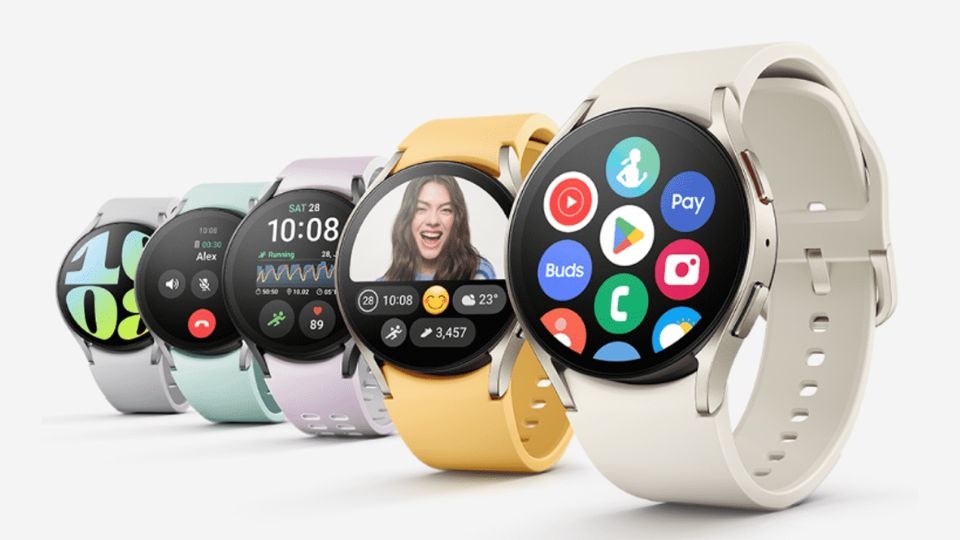
Beyond Time-Telling: Essential Smartwatch Features and Technologies
Today’s smartwatch is a marvel of miniaturized technology, packed with features designed to simplify and enrich your life. It’s truly more than just a gadget; it’s a personal hub on your wrist.
Health and Fitness Tracking
This is where smartwatches truly shine. They act as your personal health and fitness coach, providing a wealth of data to help you stay on top of your well-being.
- Heart Rate Monitoring: Continuous tracking during workouts and throughout your day can help you understand your cardiovascular health and optimize exercise intensity.
- Sleep Tracking: Gain insights into your sleep patterns, including sleep stages (light, deep, REM), duration, and quality, to help improve your rest.
- Blood Oxygen (SpO2) Monitoring: Measure your blood oxygen levels, a key indicator of respiratory health.
- Activity and Calorie Tracking: Effortlessly count your steps, distance traveled, and calories burned, motivating you to reach your daily activity goals.
- ECG and Blood Pressure Measurement: Advanced models offer electrocardiogram (ECG) capabilities to detect irregular heart rhythms and even blood pressure monitoring, offering proactive health insights.
- Stress Tracking: Some smartwatches analyze heart rate variability to estimate stress levels and offer guided breathing exercises to help you relax.
Communication and Connectivity
Stay connected without constantly pulling out your phone.
- Smart Notifications: Receive alerts for calls, messages, emails, and app notifications directly on your wrist.
- Hands-Free Calls and Messages: Many smartwatches allow you to answer calls or send quick replies to messages using built-in speakers and microphones, especially useful when your phone is out of reach.
Smart Assistant Integration
Your favorite voice assistant, right on your wrist.
- Voice Commands: Interact with Siri, Google Assistant, or Alexa to set alarms, check the weather, or control smart home devices with just your voice.
- Productivity Tools: Access calendars, reminders, and to-do lists to keep your day organized.
Payment and Navigation
Experience ultimate convenience.
- Contactless Payments: Make secure purchases directly from your wrist with services like Apple Pay or Google Pay.
- GPS and Navigation: Built-in GPS is invaluable for tracking outdoor workouts, finding your way around, and exploring new places without needing your phone.
Battery Life and Durability
Modern smartwatches are designed for longevity.
- Extended Battery Life: While it varies by model and usage, many smartwatches now offer multi-day battery life, with some hybrid models lasting weeks.
- Water Resistance: Essential for fitness tracking and everyday wear, many smartwatches are water-resistant, allowing you to swim or shower without worry.
- Robust Build: Designed to withstand daily wear and tear, often featuring durable materials like stainless steel, aluminum, or even titanium, with tough display glass.
Getting Started: Your Guide to Setting Up and Optimizing Your Smartwatch
Bringing a new smartwatch into your life is exciting! Getting it set up properly ensures you get the most out of your new companion.
First Steps: Pairing and Initial Setup
The first thing you’ll want to do is pair your smartwatch with your smartphone. Most smartwatches have a dedicated app (like the Apple Watch app or Wear OS app) that guides you through the process.
- Charge it up: Give your new smartwatch a full charge.
- Download the companion app: Find the appropriate app for your watch’s operating system (e.g., Apple Watch app for iPhones, Wear OS or manufacturer-specific app for Android devices).
- Follow on-screen prompts: The app will guide you through pairing your watch via Bluetooth and setting up basic preferences.
- Connect to Wi-Fi (if applicable): Some smartwatches can connect directly to Wi-Fi for updates or standalone functionality.
Customizing Your Experience: Watch Faces, Apps, and Settings
Personalizing your smartwatch makes it truly yours.
- Watch Faces: Dive into a world of watch faces! You can choose from countless designs, from classic analog to futuristic digital, often customizing complications to display information important to you, like weather, activity rings, or upcoming appointments.
- Apps: Explore the app store for your smartwatch. Many popular smartphone apps have a watch counterpart, offering streamlined functionality directly on your wrist. Think music controls, productivity tools, or third-party fitness trackers.
- Notifications: Tweak your notification settings. You can decide which apps push alerts to your watch, preventing information overload and ensuring you only get what matters most.
Maximizing Battery Life: Practical Tips
While battery life has improved, a few habits can extend it further:
- Manage Display Settings: Lower screen brightness, reduce screen-on time, or disable the always-on display if not crucial for you.
- Selective Notifications: Only allow essential apps to send notifications to your watch.
- GPS Usage: GPS consumes a lot of power. If you don’t need continuous tracking, turn it off for certain activities.
- Disable Unused Features: Turn off Wi-Fi or cellular connectivity if you primarily use Bluetooth.
Maintenance Made Easy: Keeping Your Device in Top Shape
A little care goes a long way in prolonging your smartwatch’s life.
- Regular Cleaning: Gently wipe your watch and strap with a soft, damp cloth to remove sweat and grime.
- Water Exposure: If your watch is water-resistant, remember its limits (e.g., showering is fine, but deep-sea diving might not be). Dry it thoroughly after getting it wet.
- Software Updates: Keep your smartwatch’s software updated to benefit from performance improvements, new features, and security patches.
Choosing Your Perfect Companion: Tips for Selecting the Right Smartwatch
With so many excellent options available, picking the right smartwatch can feel a bit overwhelming. But by considering a few key factors, you can narrow down your choices and find a device that perfectly fits your lifestyle.
Understanding Your Needs: Lifestyle, Budget, Desired Features
Start by asking yourself what you truly need a smartwatch for.
- Fitness First? If health and fitness tracking are your top priorities, look for comprehensive sensors, accurate GPS, a wide range of workout modes, and advanced metrics like VO2 max or recovery insights.
- Communication Hub? If staying connected and managing notifications on the go is key, prioritize strong cellular connectivity (e.g., LTE models), clear speakers and microphones for calls, and robust smart assistant integration.
- Style Statement? Many smartwatches blend seamlessly with traditional aesthetics. Consider materials, strap options, and customizable watch faces that match your personal style.
- Budget: Smartwatches range widely in price. Determine what you’re willing to spend, keeping in mind that entry-level models offer core features, while premium devices boast advanced sensors, superior materials, and longer battery life.
Operating Systems: Apple WatchOS, Wear OS, and Proprietary Systems
The operating system (OS) is crucial for compatibility and user experience.
- Apple WatchOS: Exclusively for iPhone users, offering seamless integration with the Apple ecosystem, a vast app store, and intuitive navigation.
- Wear OS (by Google): Designed for Android phones, providing strong integration with Google services, a growing app ecosystem, and often cross-compatibility with some iOS features (though usually limited).
- Proprietary Systems: Brands like Garmin, Fitbit, and Huawei often use their own operating systems, which are highly optimized for their specific hardware and feature sets, particularly strong in fitness tracking and battery life.
Design and Comfort: Style Meets Practicality
Since you’ll wear it every day, comfort and aesthetics matter.
- Size and Weight: Try on different sizes. A watch that’s too bulky or heavy can be uncomfortable for all-day wear, especially during sleep tracking or workouts.
- Materials: Choose between lightweight aluminum, durable stainless steel, or premium titanium. Straps come in silicone, leather, fabric, or metal, each offering different levels of comfort and style.
- Display: Look for vibrant, high-resolution displays (often AMOLED) that are easy to read in various lighting conditions, including direct sunlight.
Compatibility Matters: Ensuring It Works with Your Phone
This is a non-negotiable.
- iPhone Users: An Apple Watch is typically the most integrated and feature-rich choice. Some Wear OS watches offer limited iOS compatibility, but you’ll miss out on many features.
- Android Users: Wear OS smartwatches or models from Samsung (which runs Wear OS with its One UI Watch overlay), Garmin, or Fitbit are excellent choices.
“Modern smartwatches are transforming personal wellness,” notes Dr. Anya Sharma, a leading expert in wearable health technology. “They empower individuals with real-time health data, shifting healthcare from reactive to proactive, right from their wrist.”
More Than Just a Gadget: Health Benefits and Everyday Convenience
Smartwatches offer significant advantages that extend far beyond simply telling time. They’re powerful tools for improving health, boosting productivity, and enhancing safety.
Boosting Your Fitness Journey: Motivation and Insights
Smartwatches are like having a personal trainer on your wrist.
- Goal Setting and Tracking: Easily set daily step goals, monitor calories burned, and track a variety of workouts from running and cycling to swimming and yoga.
- Performance Metrics: Get real-time data on heart rate zones, pace, distance, and elevation to optimize your training.
- Recovery Insights: Some models offer recovery suggestions and track heart rate variability to help you avoid overtraining and recover effectively.
Proactive Health Monitoring: Early Detection and Awareness
The health sensors in smartwatches are becoming increasingly sophisticated.
- Heart Health: Features like ECG (electrocardiogram) can detect signs of atrial fibrillation (AFib), a serious heart rhythm irregularity, allowing for early intervention.
- Sleep Analysis: Understanding your sleep cycles can help identify potential issues like sleep apnea or simply encourage better sleep habits.
- Blood Pressure and SpO2: Regular monitoring of these vital signs can provide early warnings for potential health problems.
- Chronic Disease Management: Smartwatches can assist in monitoring conditions like diabetes by tracking activity levels that impact blood sugar.
Streamlining Your Day: Notifications Without Distractions
Reduce your phone addiction while staying informed.
- Discreet Alerts: Receive important notifications on your wrist, allowing you to quickly glance and decide if you need to pull out your phone, minimizing distractions during meetings or workouts.
- Quick Actions: Respond to messages, accept/decline calls, or control music playback without interrupting your flow.
Safety Features: Emergency Calls and Fall Detection
Smartwatches can be a lifesaver, especially for the elderly or those prone to accidents.
- Fall Detection: Many smartwatches can detect hard falls and, if the user doesn’t respond, automatically call emergency services and notify pre-selected contacts.
- Emergency SOS: With a simple press of a button, you can trigger an emergency call, sharing your location with first responders and chosen contacts.
The Contenders: A Look at Popular Smartwatch Models
The smartwatch market is vibrant and competitive, with several key players offering compelling devices. As of 2025, you’ll find a range of options tailored to different needs and ecosystems.
Apple Watch: The Market Leader
Consistently lauded for its seamless integration with iPhones, intuitive watchOS, and comprehensive health features. The Apple Watch Series 11 (or Ultra 3 for advanced users) continues to be a top choice for iPhone owners, offering advanced health tracking, robust app support, and innovative safety features like fall detection and Emergency SOS. It typically boasts a bright OLED screen and strong battery life.
Samsung Galaxy Watch: Android’s Premium Choice
Samsung’s Galaxy Watch series, often running Wear OS with Samsung’s One UI Watch interface, is a strong contender for Android users. Models like the Galaxy Watch 7 or 8 are known for their sleek designs, vibrant displays, and comprehensive health and fitness tracking, including advanced sleep insights and body composition analysis. They offer excellent compatibility within the Samsung ecosystem.
Google Pixel Watch: A Refined Android Experience
Google’s Pixel Watch line, with models like the Pixel Watch 3 or 4, provides a pure Wear OS experience. These watches are celebrated for their elegant, minimalist design, deep integration with Google services (including Gemini, the AI assistant), and robust Fitbit-powered health tracking. They aim to deliver a smooth and cohesive experience for Android users, particularly those with Pixel phones.
Garmin: For the Serious Athlete
Garmin smartwatches, such as the Forerunner 265 or Venu Sq 2/Venu 3, are legendary among athletes and outdoor enthusiasts. They prioritize extremely accurate GPS, long battery life (often several weeks on some models), and in-depth performance metrics for a wide range of sports. While their “smart” features are often less expansive than Apple or Samsung, their fitness tracking is unparalleled.
Fitbit: Health and Wellness Focused
Now part of Google, Fitbit continues to offer smartwatches like the Sense 2 or Ace LTE (for kids) that excel in health and wellness tracking. They focus on providing actionable insights into sleep, stress, activity, and overall well-being, often with a user-friendly interface.
Other Notable Brands
Brands like Amazfit (e.g., Balance 2, T-Rex 3) offer compelling options, often with impressive battery life and fitness features at competitive price points. Xiaomi and Huawei also contribute to the market, particularly in emerging regions, with budget-friendly yet feature-rich smartwatches.
Frequently Asked Questions About Smartwatches
Here are some common questions people ask about smartwatches:
What is a smartwatch and how does it work?
A smartwatch is a wearable computer in the form of a wrist-worn watch. It connects wirelessly, usually via Bluetooth, to your smartphone, displaying notifications, tracking fitness data, and running specialized apps. It works by using an array of sensors to gather data and a small screen for interaction.
Can I make calls from my smartwatch?
Yes, many smartwatches allow you to make and receive calls directly from your wrist. If your smartwatch has cellular connectivity (LTE) or is within Bluetooth range of your phone, you can use its built-in microphone and speaker for conversations.
Are smartwatches waterproof?
Most smartwatches are water-resistant, meaning they can withstand splashes, rain, and often swimming. Check the IP rating or ATM rating to understand the specific water resistance capabilities of a model. IP68 or 5ATM ratings are common for swimming.
How accurate are smartwatch health trackers?
Smartwatch health trackers are generally very accurate for everyday use and fitness monitoring. While they are not medical devices (unless specifically FDA-approved for certain functions like ECG), they provide reliable data for heart rate, steps, and sleep, which can be highly beneficial for personal health management.
What is the average battery life of a smartwatch?
The battery life of a smartwatch varies significantly by model and usage. Full-featured smartwatches with vibrant displays and extensive connectivity might last 1-2 days, while more fitness-focused or hybrid smartwatches can last anywhere from several days to even weeks on a single charge.
Do I need a smartphone to use a smartwatch?
Most smartwatches require a smartphone for initial setup, app synchronization, and to unlock their full range of features. However, some advanced models offer standalone cellular connectivity (LTE), allowing them to make calls, send messages, and stream music without your phone nearby.
Which smartwatch is best for fitness?
For dedicated fitness enthusiasts, Garmin smartwatches are often considered the best due to their superior GPS accuracy, advanced training metrics, and robust activity tracking for a wide array of sports. Apple Watch and Samsung Galaxy Watch also offer comprehensive fitness tracking for general users.
Conclusion
The smartwatch has undeniably revolutionized the way we interact with technology and monitor our health. From its humble beginnings as a digital timepiece, it has evolved into a sophisticated wearable computer that seamlessly integrates into our daily lives. Whether you’re seeking to boost your fitness, streamline your communications, or gain deeper insights into your well-being, there’s a smartwatch perfectly suited to your needs. These devices offer unparalleled convenience, empower us with valuable health data, and provide peace of mind through essential safety features. As technology continues to advance, the future of the smartwatch promises even more innovative features and deeper integration, making it an increasingly indispensable tool for personal growth and holistic wellness. So, why not explore the possibilities and find the smartwatch that will transform your everyday experience?