In a world increasingly driven by digital convenience, the allure of smartwatches is undeniable. They track our steps, monitor our health, and keep us connected with a glance at the wrist. For fans of classic horology and cutting-edge tech alike, the question often arises: has a prestigious brand like Omega, with its rich heritage and reputation for precision, ventured into this modern frontier? The simple answer to “Omega Smartwatch” is more nuanced than a simple yes or no, inviting us to delve into the heart of luxury watchmaking and the evolving landscape of wearable technology.
Omega’s Legacy: A History of Precision and Space Exploration
Since its founding in 1848, Omega has carved out an unparalleled niche in the world of haute horlogerie. This Swiss watchmaker is synonymous with precision, robust engineering, and an extraordinary history, particularly its indelible connection to space exploration. Omega watches, most notably the Speedmaster Moonwatch, have been worn by astronauts on every crewed NASA mission since 1965, earning its place as the first watch on the moon. Beyond the stars, Omega’s Seamaster collection dives into the ocean’s depths, while the elegant Constellation and sophisticated De Ville lines showcase the brand’s mastery of refined design and mechanical artistry.
At its core, Omega prides itself on crafting instruments of lasting value—timepieces that are not merely functional but are heirlooms, embodying generations of watchmaking expertise. “Omega’s identity is deeply rooted in mechanical excellence and historical significance,” observes Dr. Helena Dubois, a leading horology historian. “Every component, from the intricate gears to the meticulously polished case, tells a story of human ingenuity, not digital code.” This unwavering commitment to traditional craftsmanship and a storied past is a defining characteristic of the brand.
The Search for the “Omega Smartwatch”: What the Market Says
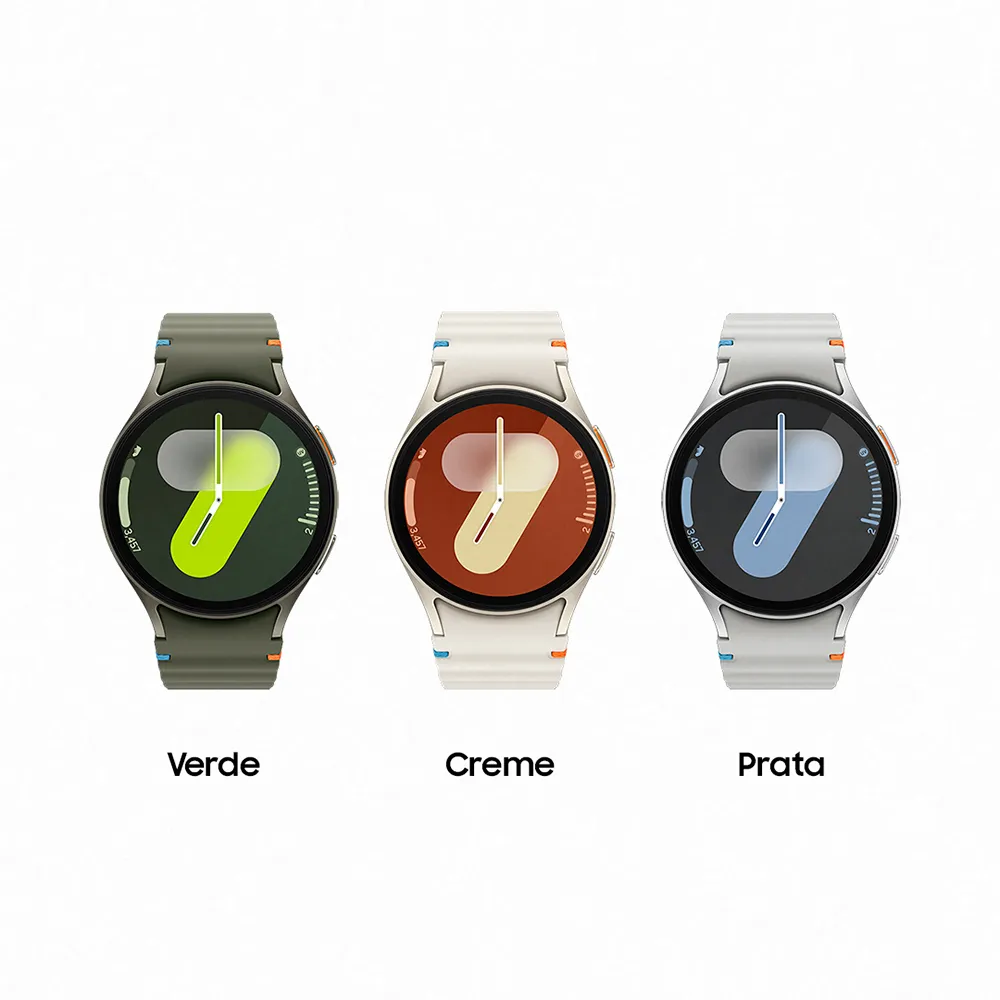
If you’re scouring watch boutiques or online catalogs specifically for an “omega smartwatch,” you’ll quickly discover a significant absence. As of now, Omega does not produce a traditional smartwatch akin to those offered by technology giants or even some other luxury watch brands. Their current collections remain steadfastly focused on mechanical and quartz-powered analog timepieces.
It’s easy to confuse the concept of a “smart” watch with something like the highly popular Omega x Swatch MoonSwatch collaboration. However, it’s crucial to clarify that the MoonSwatch, while a phenomenal success and a playful tribute to the legendary Speedmaster, is not a smartwatch. These vibrant, Bioceramic chronographs are quartz watches that celebrate the design and spirit of the Moonwatch, making it accessible to a broader audience. They function as conventional watches, telling time and offering chronograph capabilities, but they lack any digital connectivity, health tracking features, or smart notifications typical of a smartwatch. It’s a fun, fashion-forward piece, but decidedly not a smart device.
Luxury Timepiece vs. Smart Device: Understanding the Core Differences
To truly understand why a brand like Omega operates without a smartwatch, we need to appreciate the fundamental distinctions between luxury mechanical timepieces and smart devices.
The Philosophy of Mechanical Watches
Mechanical watches are marvels of micro-engineering. They operate without batteries, powered by the intricate dance of springs, gears, and levers, meticulously assembled by skilled artisans. Owners often appreciate the artistry, the tactile experience of winding a watch, and the smooth sweep of a second hand. These watches are built to last a lifetime, often passed down through generations, holding sentimental value and appreciating in worth. “A luxury mechanical watch is a statement of enduring style and a testament to engineering that has stood the test of time,” says Maximilian Richter, a renowned watch collector. “It’s about the connection to history and craftsmanship, not just displaying data.”
The Appeal of Smartwatches
Smartwatches, on the other hand, are miniature computers for the wrist. Their primary appeal lies in their connectivity, convenience, and health-tracking capabilities. They offer instant notifications, GPS navigation, heart rate monitoring, sleep analysis, and often boast vibrant digital displays. They are tools for the modern, connected lifestyle, constantly evolving with software updates and new features. While incredibly useful, their lifespan is generally dictated by rapidly advancing technology and battery degradation, making them more of a gadget than an heirloom.
Luxury watch brands often grapple with how to bridge this gap without compromising their core identity. Integrating fleeting digital technology into a product designed for timelessness is a significant challenge.
What Would a Hypothetical Omega Smartwatch Entail?
Let’s indulge in a thought experiment: if Omega were to ever launch an “omega smartwatch,” what would it look like?
Design and Materials
An Omega smartwatch would undoubtedly feature the brand’s signature aesthetic and commitment to premium materials. Expect meticulously finished cases in stainless steel, titanium, or even precious metals like Sedna™ gold. The display would likely be a high-resolution AMOLED screen, perhaps protected by sapphire crystal. The overall design would need to seamlessly integrate smart technology while maintaining a distinctly Omega appearance, reflecting elegance and durability.
Core Functionality
While retaining a luxury feel, a hypothetical Omega smartwatch would need to deliver on essential smart features. This could include:
- Advanced Health Monitoring: Precision heart rate tracking, SpO2 (blood oxygen) measurement, and comprehensive sleep analysis, leveraging Omega’s reputation for accuracy.
- Integrated GPS: For robust activity tracking and navigation, perhaps with enhanced accuracy for adventurous pursuits, echoing the Seamaster’s spirit.
- Smart Notifications: Discreet and customizable alerts for calls, messages, and calendar events.
- Contactless Payments: A convenient feature for everyday transactions.
Exclusive Features
To stand out, an Omega smartwatch might integrate features unique to its heritage. Imagine space-related applications, perhaps detailing orbital paths or mission timelines, or diving features with advanced metrics that go beyond standard consumer devices, appealing to their iconic Speedmaster and Seamaster lineages. The user interface would undoubtedly be bespoke, reflecting Omega’s sophisticated branding.
Battery Life and Ecosystem
One of the biggest hurdles for luxury smartwatches is battery life. Consumers expect long-lasting power, but integrating high-end displays and sophisticated sensors can drain batteries quickly. An Omega smartwatch would need to offer competitive battery performance. Furthermore, it would require a robust, secure, and user-friendly software ecosystem, possibly a proprietary one, to ensure a seamless and exclusive user experience.
Pricing and Market Position
Given Omega’s current pricing, a smartwatch from the brand would undoubtedly sit at the premium end of the market, likely competing with other luxury smartwatches from brands like Tag Heuer or Montblanc, and potentially commanding a price point reflecting its luxury materials, brand prestige, and advanced (hypothetical) features.
Why Omega Has Not (Yet) Launched a Smartwatch
There are several compelling reasons why Omega has maintained its focus on traditional watchmaking, eschewing the smartwatch trend:
- Protecting Brand Identity: Omega’s identity is built on timeless mechanical watches. Introducing a technology-driven product with a limited lifespan could dilute this core message and confuse loyal customers who value enduring craftsmanship.
- The Challenge of Integration: Seamlessly integrating rapidly evolving digital technology into a product celebrated for its timelessness presents a design and philosophical dilemma. How do you create an “heirloom” that relies on software updates and a two-year battery life?
- Market Saturation: The mainstream smartwatch market is highly competitive, dominated by tech giants. For a luxury brand, entering this space requires significant investment in R&D and a clear differentiator.
- Focus on Core Competencies: Omega’s expertise lies in precision mechanical movements and robust watch construction. Deviating too far from this core competency could be seen as a risk.
The Future of Luxury and Wearable Technology
While Omega remains committed to its heritage, the broader luxury watch industry is certainly observing the evolution of wearable technology. Some luxury brands, such as Tag Heuer with its Connected series and Montblanc with its Summit watches, have successfully launched smartwatches that blend high-end materials with advanced functionality. These brands demonstrate that there is a segment of consumers who desire both luxury aesthetics and smart features.
The future might see more hybrid solutions—traditional mechanical watches that incorporate subtle smart elements without compromising their core identity. Think smart straps that add connectivity, or discreet modules that offer basic tracking while preserving the watch’s mechanical heart. This could be a path for brands like Omega to gently explore the “smart” space without a radical shift in philosophy.
Choosing Your Timepiece: Traditional Luxury or Modern Intelligence?
Ultimately, the choice between a luxury mechanical watch and a smartwatch comes down to personal priorities. If you cherish heritage, craftsmanship, long-term value, and a connection to history, an Omega mechanical watch is an unrivaled choice. It’s a statement piece, an investment in timeless elegance.
If, however, your daily life demands constant connectivity, precise health monitoring, and the latest technological features on your wrist, a dedicated smartwatch would better serve your needs.
There’s no single right answer, only the perfect timepiece for you.
Frequently Asked Questions
Does Omega have any smart features in its watches?
No, Omega watches do not currently feature any smart or connected functionalities like health tracking or notifications. They are traditional mechanical or quartz timepieces.
Is the Omega x Swatch MoonSwatch a smartwatch?
No, the Omega x Swatch MoonSwatch is not a smartwatch. It is a quartz-powered chronograph that pays tribute to the Omega Speedmaster Moonwatch, featuring conventional timekeeping and stopwatch functions without any digital connectivity.
Why are luxury brands hesitant to make smartwatches?
Luxury brands are often hesitant to produce smartwatches to protect their brand identity, which is built on timeless craftsmanship and enduring value. Integrating rapidly evolving digital technology can conflict with the philosophy of creating lasting heirlooms and could dilute their core messaging.
What alternatives exist for a luxury smartwatch?
Several luxury brands offer smartwatches, including the Tag Heuer Connected series, Montblanc Summit, and Louis Vuitton Tambour Horizon. These watches combine premium materials and design with advanced smart features.
Could Omega ever release a smartwatch?
While Omega has not indicated plans to release a traditional smartwatch, the landscape of luxury and technology is constantly evolving. It’s not impossible, but any such product would likely be carefully designed to align with Omega’s core values of luxury, precision, and heritage, perhaps in a hybrid form.
Conclusion
The quest for an “omega smartwatch” leads us to a fascinating crossroads where the timeless artistry of traditional watchmaking meets the relentless pace of digital innovation. While Omega proudly stands as a beacon of mechanical excellence and historical legacy, offering no direct smartwatch solution, its position highlights a deliberate choice in the luxury market. This isn’t a deficiency but a commitment to an enduring philosophy—one that champions precision, heritage, and lasting beauty over fleeting technology. As the world continues to evolve, Omega remains dedicated to crafting instruments that measure not just time, but the very essence of human endeavor and passion for horology.