Have you ever found yourself wishing your smartwatch could do more, especially when your phone isn’t right by your side? Imagine going for a run, leaving your smartphone at home, yet still being able to take an important call, stream your favorite playlist, or even get help in an emergency. This isn’t science fiction; it’s the everyday reality of an Lte Smartwatch. These incredible devices are changing the game, offering a level of freedom and connectivity that traditional smartwatches simply can’t match. They’re not just companions to your phone; they’re your wrist-worn command center, ready for anything, anytime.
The Evolution of Connectivity: How LTE Smartwatches Changed the Game
Smartwatches have come a long way since their early days. Initially, they were primarily extensions of our smartphones, relying heavily on a Bluetooth connection to relay notifications, track basic fitness metrics, and control music. While undeniably convenient, this tether meant that venturing too far from your phone effectively turned your “smart” watch into a very stylish, yet less capable, timekeeper.
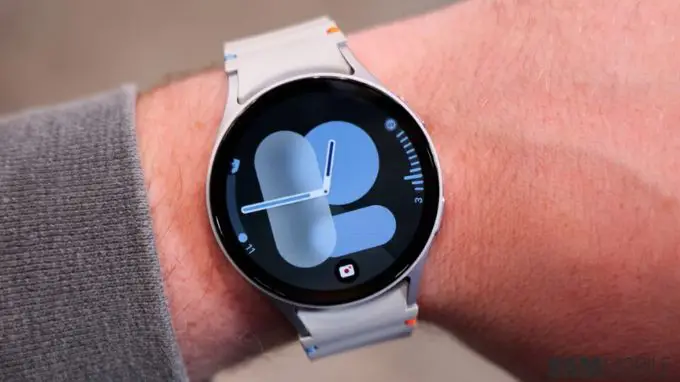
From Bluetooth Dependence to Cellular Freedom
The introduction of LTE (Long-Term Evolution) connectivity marked a pivotal moment, transforming the smartwatch from a mere accessory into a truly independent wearable. Suddenly, these devices could tap into cellular networks directly, just like a smartphone. This groundbreaking shift unlocked a world of possibilities, enabling users to stay connected, navigate, and even make payments without needing their phone nearby. It was a leap towards genuine autonomy, offering unparalleled convenience for fitness enthusiasts, busy professionals, and anyone who values being reachable without the bulk of a phone.
Understanding the Tech: How an LTE Smartwatch Works
So, how does this magical independence actually work? An LTE smartwatch is equipped with specialized hardware that allows it to communicate directly with cellular towers. Think of it as having a tiny, powerful smartphone engine packed right into your wrist.
eSIM Technology and Carrier Plans
At the heart of an LTE smartwatch’s cellular capabilities is an embedded SIM card, commonly known as an eSIM. Unlike traditional physical SIM cards that you insert, an eSIM is a small chip built directly into the watch’s circuitry. This digital SIM stores your subscriber information and can be activated and configured remotely by your mobile carrier. To unlock the full potential of an LTE smartwatch, you’ll need to activate a cellular plan with your provider. Often, this is an add-on to your existing phone plan, granting your watch its own data connection and, in many cases, a mirrored phone number. This seamless integration means you don’t need a separate phone number for your watch; it simply shares the connectivity of your primary device when you’re on the go.
Making Calls, Sending Texts, and Streaming Untethered
Once activated, your LTE smartwatch can perform many tasks independently. You can make and receive phone calls directly from your wrist, send and receive text messages, and get all your essential notifications even if your phone is miles away. This untethered experience is especially liberating. Imagine listening to your favorite Spotify playlist through Bluetooth earbuds while hiking a remote trail, with your phone safely tucked away at home. Or, receiving an urgent text while you’re cycling, without fumbling for your phone. “The real magic of an LTE smartwatch is the sheer freedom it offers,” notes Dr. Anya Sharma, a leading expert in wearable technology. “It empowers users to disconnect from their phone without disconnecting from their world, enhancing both convenience and safety.”
Key Features and Benefits: Why Go LTE?
Beyond the cool factor, an LTE smartwatch offers a suite of practical benefits that significantly enhance daily life.
Untethered Communication
This is arguably the biggest draw. With an LTE smartwatch, you’re always reachable. Missed calls and texts become a thing of the past, whether you’re at the gym, walking the dog, or simply stepped out for a coffee without your phone. The ability to answer a quick call or respond to a message directly from your wrist makes communication effortless and immediate.
Enhanced Safety and Emergency Features
For many, the safety aspect of an LTE smartwatch is invaluable. Most models come equipped with emergency SOS features, allowing you to quickly alert emergency services or designated contacts with just a press of a button, even without your phone. Features like fall detection can automatically send alerts if a sudden fall is detected, providing peace of mind for older adults or those with certain health conditions. This continuous connectivity means help is always within reach.
Streaming Music and Apps on the Go
Picture this: You’re out for a run, headphones on, music flowing. With an LTE smartwatch, that music can be streamed directly from services like Spotify or Apple Music, no phone needed. Furthermore, a wide range of apps can leverage the standalone connectivity, from navigation tools like Google Maps to weather updates and productivity apps, all accessible from your wrist.
Fitness Tracking and GPS Beyond Your Phone
While many smartwatches offer GPS, an LTE smartwatch takes location tracking to the next level. The combination of built-in GPS and cellular data often provides more accurate and quicker location tracking. For fitness enthusiasts, this means precise route mapping for runs and rides, detailed distance measurements, and the ability to share live location with loved ones during outdoor activities, all while leaving your phone behind.
Choosing Your Perfect LTE Smartwatch: A Buyer’s Guide
Deciding on the right LTE smartwatch involves considering a few crucial factors to ensure it perfectly fits your lifestyle and needs.
Compatibility with Your Smartphone and Carrier
First and foremost, check compatibility. Apple Watches with cellular capabilities work seamlessly with iPhones, while Android-based LTE smartwatches, such as those running Wear OS, are designed for Android phones. You’ll also need to verify that your mobile carrier supports smartwatch cellular plans and that their network coverage is strong in your area. Not all carriers offer these plans, and some might have specific requirements for activation.
Battery Life Considerations
LTE connectivity, while incredibly convenient, does consume more power than Bluetooth. This means LTE smartwatches generally have shorter battery lives compared to their Bluetooth-only counterparts. When choosing, consider how often you’ll use the LTE features and look for models known for optimizing battery performance with smart power-saving modes. Some newer models boast multi-day battery life even with moderate LTE use.
Design, Durability, and Comfort
A smartwatch is a device you wear daily, so design, durability, and comfort are paramount. Do you prefer a sleek, minimalist look or a rugged, sporty design? Consider the materials—aluminum, stainless steel, or titanium—and water resistance ratings if you plan to wear it during swimming or intense workouts. The fit and feel on your wrist are also crucial for long-term comfort.
Essential Features for Your Lifestyle
What do you primarily want your LTE smartwatch for? If it’s for fitness, look for advanced health sensors (heart rate, SpO2, ECG), comprehensive workout tracking, and accurate GPS. If communication and safety are key, prioritize clear call quality, robust emergency features, and reliable notification delivery. NFC for contactless payments is another highly convenient feature to consider.
Setting Up Your LTE Smartwatch: A Step-by-Step Guide
Getting your new LTE smartwatch up and running is typically a straightforward process, but it requires a few key steps to ensure full functionality.
1. Activating Your eSIM
The first step is usually activating the eSIM with your mobile carrier. This can often be done through your phone’s companion app for the smartwatch or by contacting your carrier directly. They will guide you through adding the smartwatch to your existing mobile plan, which usually involves a small additional monthly fee. Ensure your phone has a SIM card inserted and is connected to the internet during this process.
2. Pairing with Your Smartphone
Once the cellular plan is active, you’ll pair your LTE smartwatch with your smartphone via Bluetooth. This initial pairing is essential for transferring data, customizing settings, and synchronizing apps. The companion app on your phone will guide you through this process, which usually involves scanning a QR code or confirming a pairing code displayed on the watch.
3. Customizing Settings and Apps
After pairing, you can personalize your LTE smartwatch experience. This includes choosing watch faces, organizing app layouts, setting up notification preferences, and installing additional apps directly from the watch’s app store. You can also configure health and fitness tracking goals, payment methods, and emergency contacts to truly make the device your own.
Leading the Pack: A Look at Popular LTE Smartwatch Models
The market for LTE smartwatches is competitive, with several major players offering compelling options that showcase the best of this technology.
Apple Watch (Cellular)
For iPhone users, the Apple Watch Cellular models (like the Apple Watch Series 10 or the rugged Apple Watch Ultra) are the gold standard. They offer seamless integration with the Apple ecosystem, powerful health and fitness tracking, robust safety features, and a vast app library, all with excellent cellular connectivity.
Samsung Galaxy Watch (LTE)
Samsung’s Galaxy Watch lineup, including models like the Galaxy Watch 7 and the Galaxy Watch Ultra, provides a fantastic experience for Android users. Running Wear OS, these watches boast vibrant AMOLED displays, advanced health sensors, and a smooth user interface, making them powerful standalone devices.
Google Pixel Watch (LTE)
The Google Pixel Watch, now in its third iteration, offers a clean Wear OS experience with deep Fitbit integration for health and fitness. Its elegant design and tight integration with Google services, coupled with reliable LTE connectivity, make it a strong contender for Android users.
Other Contenders and Emerging Trends
Beyond the giants, brands like Fossil and TicWatch also offer notable LTE smartwatches such as the Fossil Gen 6 LTE and TicWatch Pro 5 LTE, providing options with diverse designs and features. The market continues to evolve, with ongoing improvements in battery life, processing power, and even more specialized health monitoring capabilities.
The Future is Connected: What’s Next for LTE Smartwatches?
The journey of the LTE smartwatch is far from over. As cellular networks become faster and more efficient, we can expect even greater performance from these devices. Imagine longer battery life, even more sophisticated health tracking capabilities powered by AI, and seamless integration with smart home devices, all controlled from your wrist without a phone in sight. The focus will continue to be on enhancing independence, making our lives simpler, safer, and more connected in the most effortless way possible.
Frequently Asked Questions (FAQ)
What exactly is an LTE smartwatch?
An LTE smartwatch is a wearable device that can connect directly to cellular networks (like 4G) using an embedded SIM (eSIM). This allows it to make calls, send messages, stream music, and use apps without needing to be connected to your smartphone via Bluetooth.
Do I need a separate phone number for my LTE smartwatch?
In most cases, your LTE smartwatch will share the same phone number as your smartphone through an add-on plan from your mobile carrier. This mirrors your phone’s service, allowing calls and texts to go to both devices.
How does an LTE smartwatch impact battery life?
Using LTE connectivity consumes more power than relying solely on Bluetooth. Therefore, LTE smartwatches generally have shorter battery lives compared to their non-cellular counterparts. Battery performance varies by model and usage.
Can I use an LTE smartwatch without my phone nearby?
Yes, that’s the primary benefit! An LTE smartwatch can operate independently, allowing you to make calls, send texts, receive notifications, and use internet-connected apps even if your phone is at home or out of Bluetooth range.
Are LTE smartwatches more expensive than standard smartwatches?
Typically, yes. LTE-enabled smartwatches usually have a higher upfront cost due to the additional cellular hardware. Furthermore, you’ll need to subscribe to a separate cellular plan, which incurs an additional monthly fee from your carrier.
What are the main benefits of having an LTE smartwatch?
The main benefits include untethered communication, enhanced safety features like emergency SOS, the ability to stream music and use apps independently, and more accurate GPS tracking, offering greater freedom and peace of mind.
Conclusion
The LTE smartwatch isn’t just a gadget; it’s a testament to how wearable technology continues to evolve, seamlessly blending convenience with cutting-edge capability. By offering true independence from your smartphone, these devices empower you to live a more connected, yet less cluttered, life. Whether you’re a fitness enthusiast craving untethered workouts, a busy professional needing constant accessibility, or simply someone who values peace of mind, an LTE smartwatch delivers. Take the leap, experience the freedom, and discover how an LTE smartwatch can redefine your daily interactions and adventures. The future of connectivity is here, right on your wrist.