Imagine a world where your most important information, your health metrics, and your connectivity to the world are all just a glance away, right on your wrist. This isn’t science fiction; it’s the reality offered by smartwatches powered by Wear OS. This innovative operating system from Google has transformed the way we interact with technology, making our lives more convenient, healthier, and seamlessly connected. From managing your daily schedule to monitoring your fitness goals, a smartwatch running Wear OS is more than just a gadget; it’s an indispensable companion designed to keep you ahead in our fast-paced world.
|
Our Picks for the Best Smartwatch in 2026
As an Amazon Associate I earn from qualifying purchases.
|
||
| Num | Product | Action |
|---|---|---|
| 1 | Smart Watch with Alexa Built-in, 1.83\" HD Touchscreen Fitness Tracker with Bluetooth Calling, Fitness Watch with Heart Rate/Sleep Monitor, 120+ Sports Modes, IP68 Waterproof Smartwatch for Android iOS |

|
| 2 | WHOOP 5.0/MG Activity Tracker - 12 Month Membership - Health and Fitness Wearable – 24/7 Activity and Sleep Tracker, Personalized Coaching, Menstrual Cycle Insights – 14+ Days Battery Life |
|
| 3 | Amazfit Bip 6 Smart Watch 46mm, 14 Day Battery, 1.97\" AMOLED Display, GPS & Free Maps, AI, Bluetooth Call & Text, Health, Fitness & Sleep Tracker, 140+ Workout Modes, 5 ATM Water-Resistance, Black |
|
| 4 | Smart Watch for Men Women with Bluetooth Calls, 1.83\"HD Touchscreen Fitness Tracker, 110+Sport Modes, Heart Rate/Sleep Monitor/Pedometer, IP68 Waterproof, Activity Tracker for Android iOS, Dark Green |
|
| 5 | SAMSUNG Galaxy Watch 7 40mm Bluetooth AI Smartwatch w/Energy Score, Wellness Tips, Heart Rate Tracking, Sleep Monitor, Fitness Tracker, 2024, Cream [US Version, 1Yr Manufacturer Warranty] |
|
| 6 | Apple Watch Series 11 [GPS 42mm] Smartwatch with Rose Gold Aluminum Case with Light Blush Sport Band - S/M. Sleep Score, Fitness Tracker, Health Monitoring, Always-On Display, Water Resistant |
|
| 7 | Smart Watch for Men, 120 Sports Modes Smartwatch with 1.83\" HD Touchsreen, IP67 Waterproof, Sleep Monitor, Bluetooth Call & Music Control Fitness Watch for Android/iPhone (Black) |
|
| 8 | Smart Watch with Alexa Built-in, 1.83\" HD Touchscreen Fitness Tracker with Bluetooth Calling, Fitness Watch with Heart Rate/Sleep Monitor/120+ Sports, IP68 Waterproof Smartwatch for Android iOS, Pink |
|
| 9 | Smart Watch for Men Women with Bluetooth Calls, Black |
|
| 10 | Fitbit Charge 6 Fitness Tracker with Google apps, Heart Rate on Exercise Equipment, 6-Months Premium Membership Included, GPS, Health Tools and More, Obsidian/Black, One Size (S & L Bands Included) |
|
The Journey of Wear OS: From Android Wear to a Modern Powerhouse
The story of Wear OS began as “Android Wear,” a promising but somewhat nascent platform. Fast forward to today, and thanks to a significant partnership between Google and Samsung, Wear OS has undergone a remarkable transformation. This collaboration breathed new life into the ecosystem, leading to a revamped platform that combines the best of Google’s software expertise with Samsung’s hardware prowess. This synergy has accelerated development, bringing us to recent advancements like Wear OS 5, which is based on Android 14, and the upcoming Wear OS 6, expected to build on Android 15. These updates aren’t just incremental; they represent a commitment to improved battery life, enhanced performance, and a richer, more intuitive user experience that truly makes the smartwatch a powerhouse on your wrist.
Core Features and Integrated Technology: Your World, Simplified
Smartwatches running Wear OS are designed to streamline your daily interactions, bringing essential smartphone functions directly to your wrist.
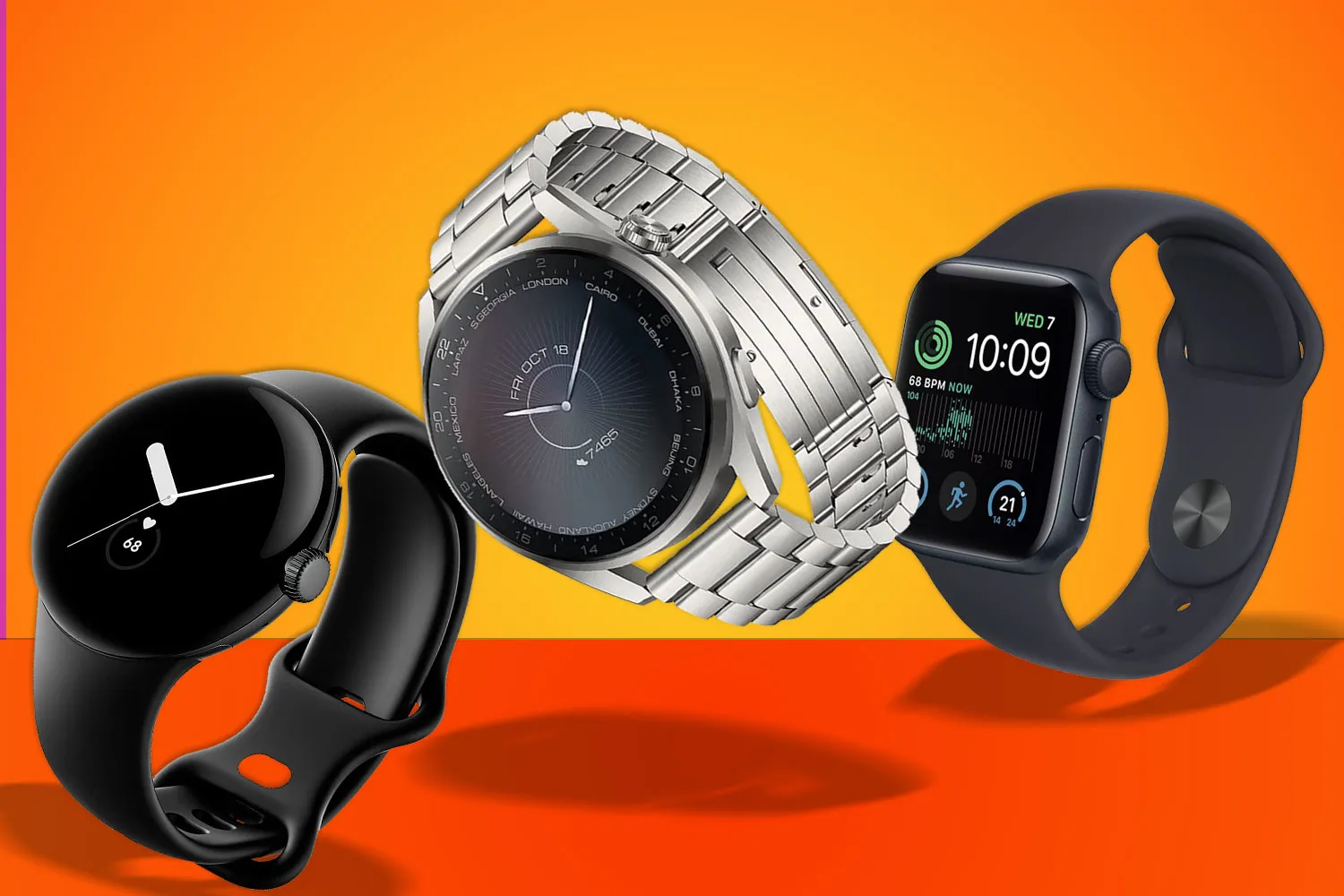
Stay Connected and Communicate Effortlessly
With Wear OS, you’re always in the loop. Receive notifications from your favorite apps, take calls, and respond to messages directly from your watch, whether it’s through Gmail, WhatsApp, or other communication platforms. And with the integration of Google Assistant and the newer Gemini AI, getting answers, setting reminders, or controlling smart devices is as simple as speaking to your wrist. It’s like having a personal assistant available 24/7, without ever needing to pull out your phone.
Navigate and Pay with a Flick of Your Wrist
Lost in a new city? Need to grab a coffee but left your wallet at home? Wear OS has you covered. Google Maps provides turn-by-turn navigation right on your watch, even offering offline map capabilities for those adventurous moments when your phone signal is unreliable. Meanwhile, Google Wallet allows for quick, secure contactless payments, turning your smartwatch into a digital wallet that’s always within reach. Just tap and go!
Entertainment and Smart Home Control at Your Fingertips
Your smartwatch can also be a hub for entertainment and smart home management. Control your YouTube Music playlist directly from your wrist during a workout or commute. With Google Home integration, you can adjust your thermostat, turn off the lights, or check your security cameras with simple taps or voice commands. It’s the ultimate convenience for a connected lifestyle.
Limitless Customization and a Thriving App Ecosystem
One of the greatest strengths of Wear OS is its flexibility. The Google Play Store offers a vast array of apps specifically optimized for your smartwatch, from productivity tools to games. Beyond apps, Wear OS allows for deep personalization. You can choose from countless watch faces, each offering unique styles and information displays. “Tiles” and “Complications” further enhance this, letting you pin your most-used features and data—like weather, fitness stats, or upcoming calendar events—for quick, at-a-glance access. This level of customization ensures your smartwatch truly reflects your personal style and needs.
Health & Fitness: Your Personal Wellness Coach on Your Wrist
For many, the health and fitness tracking capabilities are the true game-changer of a Wear OS smartwatch. These devices have evolved into sophisticated personal wellness coaches, providing insights that can genuinely improve your quality of life.
Comprehensive Activity Tracking
Every step, every calorie burned, every distance covered is meticulously tracked. Wear OS watches provide detailed data on your daily activity, helping you stay motivated to achieve your fitness goals. They track your heart rate continuously, offering insights into your resting heart rate and even alerting you to unusually high or low readings that might warrant attention.
Advanced Wellness Metrics
Beyond the basics, modern Wear OS smartwatches delve deep into your physiological data. Sophisticated sensors can monitor your sleep patterns, distinguishing between light, deep, and REM sleep stages, and even providing a “sleep score” to help you understand your rest quality. Stress monitoring, often measured through heart rate variability or specialized cEDA sensors (on models like the Google Pixel Watch 2), helps you identify and manage stress levels throughout your day. Some advanced models also offer blood oxygen (SpO2) tracking, skin temperature monitoring, and even electrocardiogram (ECG) functionality to detect signs of atrial fibrillation. Certain Samsung Galaxy Watch models go further with Bioelectrical Impedance Analysis (BIA) sensors, offering insights into body composition metrics like body fat percentage and muscle mass.
Seamless Integration with Leading Health Apps
Whether you prefer Google Fit, Samsung Health, or Fitbit (which is deeply integrated into Google’s Pixel Watch line), your Wear OS smartwatch seamlessly syncs your health data. You can also connect to popular third-party fitness apps like Strava for detailed workout analysis or MyFitnessPal for nutrition tracking, creating a holistic view of your health journey. Many users find apps like Calm invaluable for stress management and mindfulness directly from their watch.
Choosing Your Ideal Wear OS Smartwatch
With a growing number of impressive options, selecting the perfect Wear OS smartwatch can feel daunting. Here’s what to consider:
- Battery Life: While Wear OS has made significant strides, battery life still varies. Some watches boast multi-day endurance, while others require daily charging. Consider your usage habits.
- Performance: A snappy, responsive interface is key. Look for watches with newer processors and ample RAM for a smooth experience.
- Display Quality: AMOLED screens are standard, offering vibrant colors and deep blacks. Consider screen brightness for outdoor visibility and whether you prefer an always-on display.
- Health Sensors: If advanced health tracking is a priority, ensure the model you choose includes features like ECG, SpO2, or BIA.
- Design and Comfort: Smartwatches come in various sizes, shapes (round vs. square), and materials. Find one that fits your wrist comfortably and matches your personal style.
- Ecosystem Integration: While Wear OS works with most Android phones, Samsung Galaxy Watch and Google Pixel Watch lines offer the most integrated experience with their respective phone ecosystems, including the fastest software updates. Brands like OnePlus and Mobvoi also offer compelling alternatives, often excelling in specific areas like battery life or unique display technologies.
Prominent models in 2025 include the Samsung Galaxy Watch series (like the Galaxy Watch 8 and Galaxy Watch Ultra), known for their robust feature set and integration, and the Google Pixel Watch series (such as the Pixel Watch 4), offering a pure Wear OS experience with strong Fitbit integration. The OnePlus Watch series, including the OnePlus Watch 3, continues to impress with excellent battery performance. For those seeking unique innovations, the Mobvoi TicWatch Pro 5 Enduro stands out with its dual-layer display designed to maximize battery life.
Tips for Optimal Use and Setup
Getting the most out of your Wear OS smartwatch is easy with a few simple steps:
- Initial Setup: Pair your watch with your Android smartphone via the Wear OS app. This guided process typically involves Bluetooth pairing and syncing your Google account.
- Personalize Your Watch Face and Tiles: Dive into the Wear OS app or your watch settings to explore and customize watch faces. Arrange your favorite apps and information as “tiles” for quick access to what matters most.
- Manage Notifications: Control which app notifications appear on your watch to avoid unnecessary distractions. You can typically do this from the Wear OS app on your phone.
- Optimize Battery Life: While newer Wear OS versions are more power-efficient, features like the always-on display (AOD) and constant GPS tracking consume more power. Adjust these settings to suit your needs.
- Explore the Google Play Store: Discover new apps and games specifically designed for the smartwatch form factor to expand its functionality.
Expert Insight: The Wear OS Advantage
“Wear OS has truly come into its own,” states Dr. Anya Sharma, a leading expert in wearable technology. “The collaboration between Google and key hardware manufacturers like Samsung has transformed it into a robust, user-friendly platform. What’s particularly exciting is the continuous innovation in health tracking and AI integration, making these smartwatches not just convenient accessories, but vital tools for proactive health management and seamless daily living.”
Frequently Asked Questions
What is Wear OS?
Wear OS is Google’s operating system designed for smartwatches and other wearables. It allows smartwatches to run apps, receive notifications, track fitness, make payments, and access Google services directly from the wrist, often synced with an Android smartphone.
Which smartwatches run on Wear OS?
Many popular smartwatches from various brands run on Wear OS, including models from Samsung (Galaxy Watch series), Google (Pixel Watch series), Mobvoi (TicWatch Pro series), and OnePlus (OnePlus Watch series).
What are the main benefits of Wear OS?
The main benefits include seamless integration with Google services (Maps, Wallet, Assistant/Gemini), comprehensive health and fitness tracking, a vast app ecosystem via the Google Play Store, and extensive customization options for watch faces and features.
How does Wear OS handle health tracking?
Wear OS smartwatches offer a wide range of health tracking features, including heart rate monitoring, step and calorie counting, sleep tracking (with sleep stages and scores), stress monitoring, SpO2 (blood oxygen) levels, and sometimes even ECG and body composition analysis. Data is often managed through Google Fit, Samsung Health, or Fitbit.
Can I use a Wear OS smartwatch without my phone?
While a Wear OS smartwatch works best when paired with an Android phone, many models offer standalone functionality, especially those with cellular connectivity (LTE). You can often make calls, send messages, stream music, and use GPS navigation even without your phone nearby.
What’s new in the latest Wear OS versions?
Recent updates like Wear OS 5 have brought significant improvements in battery life, performance, and detailed fitness metrics. Upcoming versions like Wear OS 6 are expected to enhance security, customization, and app marketplace integration even further, ensuring the platform remains at the forefront of wearable technology.
Embrace the Smartwatch Revolution with Wear OS
The evolution of smartwatches powered by Wear OS represents a significant leap in personal technology. It’s a platform that consistently delivers convenience, connectivity, and powerful health insights, all wrapped up in a stylish and personal device. Whether you’re a fitness enthusiast, a busy professional, or simply someone who appreciates having their world at their fingertips, a Wear OS smartwatch is designed to enhance your everyday life. So, why not explore the possibilities? Try a Wear OS smartwatch and discover how this innovative technology can transform your routine, empower your health journey, and keep you connected in the most intuitive way possible.