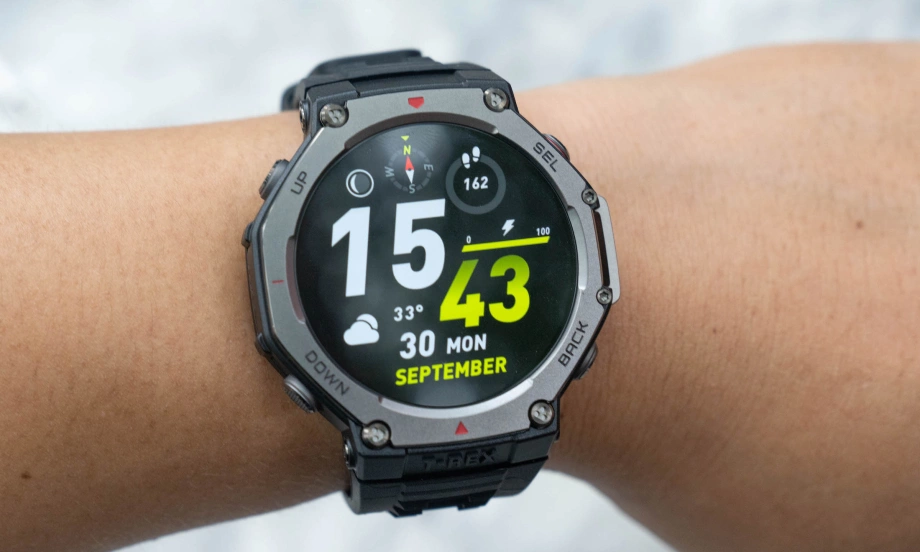
The world of personal fitness has been revolutionized, and at its heart lies the humble yet powerful device on your wrist: the fitness smartwatch. Far from being just a fancy timepiece, these gadgets have evolved into sophisticated health companions, blending cutting-edge technology with intuitive design to help you conquer your wellness goals. Whether you’re a seasoned marathoner, a gym enthusiast, or simply aiming for a more active lifestyle, a fitness smartwatch in 2025 is more than an accessory; it’s your personal coach, health monitor, and motivator, all wrapped up in a sleek, wearable package. It’s about empowering you to take control of your health journey, one tap and metric at a time.
|
Our Picks for the Best Smartwatch in 2026
As an Amazon Associate I earn from qualifying purchases.
|
||
| Num | Product | Action |
|---|---|---|
| 1 | Smart Watch for Men, 120 Sports Modes Smartwatch with 1.83\" HD Touchsreen, IP67 Waterproof, Sleep Monitor, Bluetooth Call & Music Control Fitness Watch for Android/iPhone (Black) |

|
| 2 | Smart Watch for Men Women with Bluetooth Calls, 1.83\"HD Touchscreen Fitness Tracker, 110+Sport Modes, Heart Rate/Sleep Monitor/Pedometer, IP68 Waterproof, Activity Tracker for Android iOS, Dark Green |
|
| 3 | Fitbit Charge 6 Fitness Tracker with Google apps, Heart Rate on Exercise Equipment, 6-Months Premium Membership Included, GPS, Health Tools and More, Obsidian/Black, One Size (S & L Bands Included) |
|
| 4 | WHOOP 5.0/MG Activity Tracker - 12 Month Membership - Health and Fitness Wearable – 24/7 Activity and Sleep Tracker, Personalized Coaching, Menstrual Cycle Insights – 14+ Days Battery Life |
|
| 5 | SAMSUNG Galaxy Watch 7 40mm Bluetooth AI Smartwatch w/Energy Score, Wellness Tips, Heart Rate Tracking, Sleep Monitor, Fitness Tracker, 2024, Cream [US Version, 1Yr Manufacturer Warranty] |
|
| 6 | Smart Watch with Alexa Built-in, 1.83\" HD Touchscreen Fitness Tracker with Bluetooth Calling, Fitness Watch with Heart Rate/Sleep Monitor, 120+ Sports Modes, IP68 Waterproof Smartwatch for Android iOS |
|
| 7 | Smart Watch with Alexa Built-in, 1.83\" HD Touchscreen Fitness Tracker with Bluetooth Calling, Fitness Watch with Heart Rate/Sleep Monitor/120+ Sports, IP68 Waterproof Smartwatch for Android iOS, Pink |
|
| 8 | Amazfit Bip 6 Smart Watch 46mm, 14 Day Battery, 1.97\" AMOLED Display, GPS & Free Maps, AI, Bluetooth Call & Text, Health, Fitness & Sleep Tracker, 140+ Workout Modes, 5 ATM Water-Resistance, Black |
|
| 9 | Smart Watch for Men Women with Bluetooth Calls, Black |
|
| 10 | Apple Watch Series 11 [GPS 42mm] Smartwatch with Rose Gold Aluminum Case with Light Blush Sport Band - S/M. Sleep Score, Fitness Tracker, Health Monitoring, Always-On Display, Water Resistant |
|
The Evolution of Wristwear: Beyond Time-Telling
Remember when watches simply told time? Fast forward to today, and fitness smartwatches represent a monumental leap in wearable technology. What started as basic step counters and notification managers has blossomed into sophisticated miniature computers, packed with an array of sensors and intelligent features. This transformation has been driven by a growing global emphasis on health and personalized data. Modern fitness smartwatches now seamlessly integrate into our daily routines, offering insights that were once exclusive to medical clinics or high-performance training centers. They’ve shifted from novelty items to essential tools for anyone serious about understanding and improving their physical well-being.
Key Features: What Makes a Fitness Smartwatch Truly Smart?
The true power of a fitness smartwatch lies in its comprehensive suite of features, meticulously designed to provide a holistic view of your health and athletic performance.
Advanced Health Monitoring
Modern fitness smartwatches are like having a miniature health clinic on your wrist, continuously monitoring vital signs and providing actionable insights.
- Heart Rate Monitoring: Most devices offer continuous 24/7 heart rate tracking, crucial for understanding your resting heart rate, workout intensity, and overall cardiovascular health.
- ECG and Blood Oxygen (SpO2): Many premium fitness smartwatches now include electrocardiogram (ECG) capabilities to detect irregular heart rhythms, like atrial fibrillation, and SpO2 sensors to measure blood oxygen levels, important for sleep health and altitude training.
- Stress Tracking and Recovery: Beyond physical exertion, these smartwatches measure stress levels using heart rate variability (HRV) and electrodermal activity (cEDA), offering guided breathing exercises and recovery insights to help you maintain mental well-being.
- Detailed Sleep Analysis: Dive deep into your sleep patterns with detailed tracking of sleep stages (light, deep, REM), quality scores, and personalized “sleep profiles.” Some advanced models even feature circadian sleep guidance and can detect signs of sleep apnea, offering a clearer picture of your nighttime recovery.
- Skin Temperature and Advanced Health Metrics: Features like skin temperature tracking, vascular load, and even an antioxidant index are emerging, providing even more nuanced data about your body’s physiological state and recovery.
Dynamic Activity Tracking
Whether you’re hitting the trails or the gym, a fitness smartwatch is engineered to track your every move with remarkable precision.
- GPS Accuracy: For outdoor enthusiasts, dual-band and all-systems GNSS GPS technologies ensure incredibly accurate distance, pace, and route mapping, even in challenging environments like dense cities or remote trails.
- Multi-Sport Modes: From running, cycling, and swimming to HIIT, yoga, and even niche activities like kayaking or freediving, smartwatches offer an extensive library of sport modes (often 100+ or more), providing tailored metrics for each activity.
- Automatic Workout Detection: Forget to start your tracker? Many smartwatches can automatically detect and log certain activities, ensuring no effort goes unrecorded.
- Performance Metrics and AI Coaching: Beyond raw data, these devices offer advanced metrics like VO2 Max estimation, training load analysis, and personalized recovery time recommendations. Increasingly, AI-powered coaches, like Gemini-based fitness guides or Zepp Coach, provide adaptive workout suggestions and form analysis to optimize your training and prevent overtraining.
Smart Connectivity and Convenience
While fitness is paramount, the “smart” in smartwatch also brings a world of everyday convenience to your wrist.
- On-Wrist Communication: Answer calls, receive text messages, and get notifications directly on your watch, keeping you connected without constantly pulling out your phone.
- Contactless Payments and Music: Leave your wallet at home. NFC-enabled smartwatches allow for quick, secure payments. Many also offer music storage or streaming capabilities, letting you enjoy your favorite tunes phone-free during workouts.
- Voice Assistants and App Ecosystems: Control smart home devices, ask questions, or set reminders using integrated voice assistants. A robust app ecosystem provides access to a wide range of third-party fitness and lifestyle applications.
Choosing Your Perfect Fitness Smartwatch: A Buying Guide
With a plethora of options on the market, selecting the right fitness smartwatch can feel daunting. Here’s how to narrow down your choices to find the perfect companion for your unique journey.
Compatibility: Android or iOS?
The first step is often determined by the smartphone you already own. Apple Watches are exclusively designed for iPhone users, offering seamless integration with the iOS ecosystem. For Android users, options like Google Pixel Watches and Samsung Galaxy Watches provide deep integration with Android and Wear OS. Other brands like Garmin, Fitbit, and Amazfit often offer broader compatibility across both platforms, though some features might be optimized for one over the other.
Battery Life: Powering Your Progress
Battery life is a critical factor, especially for endurance athletes or those who dislike daily charging. While some full-featured smartwatches might require charging every day or two (e.g., Apple Watch, Galaxy Watch), many fitness-first models boast impressive longevity, lasting from 7 to over 30 days on a single charge. Some even feature solar charging for extended outdoor use. Consider your usage patterns: frequent GPS tracking or always-on displays will naturally consume more power.
Durability and Design: Built for Your Lifestyle
Your smartwatch should be as resilient as you are. Look for features like water resistance (5ATM or 10ATM for swimming/diving), rugged casings (titanium, military-grade standards), and scratch-resistant sapphire glass if you lead an active or demanding lifestyle. Comfort is also key; the watch should feel good on your wrist for all-day wear, including during sleep. Different display types (vibrant AMOLED vs. power-efficient MIP LCD) and various case sizes cater to personal preferences and wrist dimensions.
Accuracy vs. Affordability: Finding Your Sweet Spot
High-end smartwatches often offer the most advanced sensors and features, but budget-friendly options can still provide excellent core tracking. Consider what metrics are most important to you. If pinpoint GPS accuracy for competitive running is crucial, a specialized Garmin or COROS might be worth the investment. If you’re a beginner focusing on basic activity, heart rate, and sleep, a more affordable Fitbit or Amazfit model could be ideal. Sometimes, the “best” option isn’t the most expensive, but the one that best fits your specific needs and budget.
Maximizing Your Fitness Smartwatch Experience
Getting the most out of your fitness smartwatch involves a few key practices to ensure accuracy, comfort, and ongoing motivation.
- Proper Fit and Regular Cleaning: Wear your smartwatch snugly enough for accurate sensor readings, but not so tight that it causes discomfort or skin irritation. Regularly clean both the watch and your wrist to prevent skin issues.
- Understand Your Data: While smartwatches provide a wealth of information, remember that metrics like calorie burn and step counts are often estimates based on proprietary algorithms. Use them as guides for progress rather than absolute truths. Focus on trends and consistency.
- Customize Your Settings: Take time to explore your watch’s settings. Customize workout profiles, notification preferences, and watch faces to suit your individual needs and preferences. Many watches allow you to build custom workouts directly on the device or companion app.
- Leverage AI Coaching and Recovery Tools: Actively engage with features like daily readiness scores, recovery advisors, and AI-powered coaching. These tools offer personalized guidance on when to push harder and when to rest, optimizing your training without leading to burnout.
- Explore the Ecosystem: Connect your smartwatch to compatible fitness apps or smart scales to create a more comprehensive overview of your health and fitness journey.
The Future of Fitness on Your Wrist: AI and Beyond
The evolution of the fitness smartwatch is far from over. We’re already seeing a stronger integration of artificial intelligence, leading to even more personalized and predictive health insights. Expect future devices to offer deeper analyses of your body’s biochemistry, perhaps with advancements in non-invasive blood sugar monitoring (though currently, no traditional smartwatch has FDA-approved on-device capabilities). AI will likely play an even more significant role in adaptive training plans, real-time form correction, and proactive health alerts. The goal is to move beyond simply tracking data to truly understanding and optimizing your individual well-being, making your fitness smartwatch an indispensable partner in living a healthier, more active life.
Frequently Asked Questions (FAQ)
What’s the best fitness smartwatch for me?
The “best” fitness smartwatch depends entirely on your personal needs, budget, and lifestyle. If you’re a serious runner, look for accurate GPS and advanced running dynamics. If health monitoring is your priority, prioritize features like ECG, SpO2, and comprehensive sleep tracking. Consider your phone’s operating system (iOS or Android) for seamless compatibility, and how much battery life you need. Review our buying guide and feature breakdown to align a model with your specific goals.
How do smartwatches track sleep, steps, and calories?
Smartwatches use a combination of sensors and algorithms. For sleep, they typically combine accelerometer data (movement) with heart rate to detect sleep stages and awake times. Steps are primarily counted using an accelerometer, which detects arm swings, sometimes supplemented by a gyroscope. Calories burned are estimated using a complex algorithm that takes into account your heart rate, movement, personal biometrics (age, weight, height), and activity type. It’s important to remember these are estimates and can vary between devices.
Can a smartwatch measure blood pressure or blood sugar?
Some smartwatches, such as specific models from Samsung and Apple (from Watch Series 9 onwards), do offer blood pressure measurement capabilities. However, these typically require regular calibration with a traditional blood pressure cuff and are primarily for detecting potential issues rather than diagnosing hypertension. As of now, no traditional smartwatch offers FDA-approved, non-invasive blood sugar (glucose) monitoring directly on the device. Smartwatches can, however, connect to third-party continuous glucose monitors to display readings.
Are fitness smartwatch calorie counts accurate?
While fitness smartwatches provide a useful estimate of calories burned, it’s crucial to take these numbers with a grain of salt. Accuracy can vary significantly due to differences in proprietary algorithms, sensor types, and how precisely the watch interprets individual body movements and metabolic rates. Factors like body composition and exercise intensity can also influence the results. Use calorie counts as a general guide to track your activity rather than an exact scientific measurement.
How can I prevent skin irritation from wearing a smartwatch?
Skin irritation, often known as contact dermatitis, can occur if your smartwatch is worn too tightly, if sweat and grime accumulate underneath, or if you react to certain band materials. To prevent this, ensure your watch fits snugly but comfortably, allowing for some airflow. Clean your watch and wrist regularly, especially after workouts. If you experience irritation, try switching to a different band material (e.g., nylon instead of silicone) and give your wrist a break from wearing the watch until the irritation subsides.
Conclusion
Fitness smartwatches in 2025 are powerful allies in your pursuit of a healthier, more active life. By consolidating advanced health monitoring, dynamic activity tracking, and convenient smart features into a single, sleek device, they offer unprecedented insights and motivation. Choosing the right fitness smartwatch means understanding your personal needs and leveraging its capabilities to transform your routines. So, go ahead, explore the possibilities, find the perfect fit for your wrist, and embark on a smarter, more informed fitness journey. Your best self is just a tap away!