Choosing the best smartwatch for your Android phone can feel like navigating a maze, with so many brilliant options vying for your wrist. It’s no longer just about telling time; these tiny tech marvels are now your personal health coach, communication hub, and even a fashion statement, all wrapped up in a sleek package. But with incredible innovation constantly pushing boundaries, how do you pick the one that truly fits your life? Let’s dive deep into the world of Android wearables to uncover the top contenders and help you find your ideal digital assistant.
|
Our Picks for the Best Smartwatch in 2026
As an Amazon Associate I earn from qualifying purchases.
|
||
| Num | Product | Action |
|---|---|---|
| 1 | Smart Watch for Men Women with Bluetooth Calls, Black |

|
| 2 | WHOOP 5.0/MG Activity Tracker - 12 Month Membership - Health and Fitness Wearable – 24/7 Activity and Sleep Tracker, Personalized Coaching, Menstrual Cycle Insights – 14+ Days Battery Life |
|
| 3 | SAMSUNG Galaxy Watch 7 40mm Bluetooth AI Smartwatch w/Energy Score, Wellness Tips, Heart Rate Tracking, Sleep Monitor, Fitness Tracker, 2024, Cream [US Version, 1Yr Manufacturer Warranty] |
|
| 4 | Amazfit Bip 6 Smart Watch 46mm, 14 Day Battery, 1.97\" AMOLED Display, GPS & Free Maps, AI, Bluetooth Call & Text, Health, Fitness & Sleep Tracker, 140+ Workout Modes, 5 ATM Water-Resistance, Black |
|
| 5 | Fitbit Charge 6 Fitness Tracker with Google apps, Heart Rate on Exercise Equipment, 6-Months Premium Membership Included, GPS, Health Tools and More, Obsidian/Black, One Size (S & L Bands Included) |
|
| 6 | Smart Watch for Men, 120 Sports Modes Smartwatch with 1.83\" HD Touchsreen, IP67 Waterproof, Sleep Monitor, Bluetooth Call & Music Control Fitness Watch for Android/iPhone (Black) |
|
| 7 | Smart Watch with Alexa Built-in, 1.83\" HD Touchscreen Fitness Tracker with Bluetooth Calling, Fitness Watch with Heart Rate/Sleep Monitor, 120+ Sports Modes, IP68 Waterproof Smartwatch for Android iOS |
|
| 8 | Apple Watch Series 11 [GPS 42mm] Smartwatch with Rose Gold Aluminum Case with Light Blush Sport Band - S/M. Sleep Score, Fitness Tracker, Health Monitoring, Always-On Display, Water Resistant |
|
| 9 | Smart Watch with Alexa Built-in, 1.83\" HD Touchscreen Fitness Tracker with Bluetooth Calling, Fitness Watch with Heart Rate/Sleep Monitor/120+ Sports, IP68 Waterproof Smartwatch for Android iOS, Pink |
|
| 10 | Smart Watch for Men Women with Bluetooth Calls, 1.83\"HD Touchscreen Fitness Tracker, 110+Sport Modes, Heart Rate/Sleep Monitor/Pedometer, IP68 Waterproof, Activity Tracker for Android iOS, Dark Green |
|
The Evolution of Android Smartwatches: A Brief Look Back
Remember those clunky early smartwatches that barely did more than show notifications and died before lunch? We’ve certainly come a long way! The journey of Android smartwatches, largely powered by Google’s Wear OS (formerly Android Wear), has been one of relentless improvement. From basic alerts to sophisticated health tracking, seamless Google Assistant integration, and impressive battery life, these devices have matured into indispensable tools. The collaboration between Google and major manufacturers like Samsung has especially supercharged development, creating a truly robust and competitive ecosystem. Today, you’re not just buying a gadget; you’re investing in a sophisticated extension of your Android experience.
What Makes a Smartwatch “Best” for Android Users?
Before we crown any champions, let’s talk about what truly sets an excellent Android smartwatch apart. It’s a blend of seamless integration, powerful features, and enduring design that makes all the difference in your daily life.
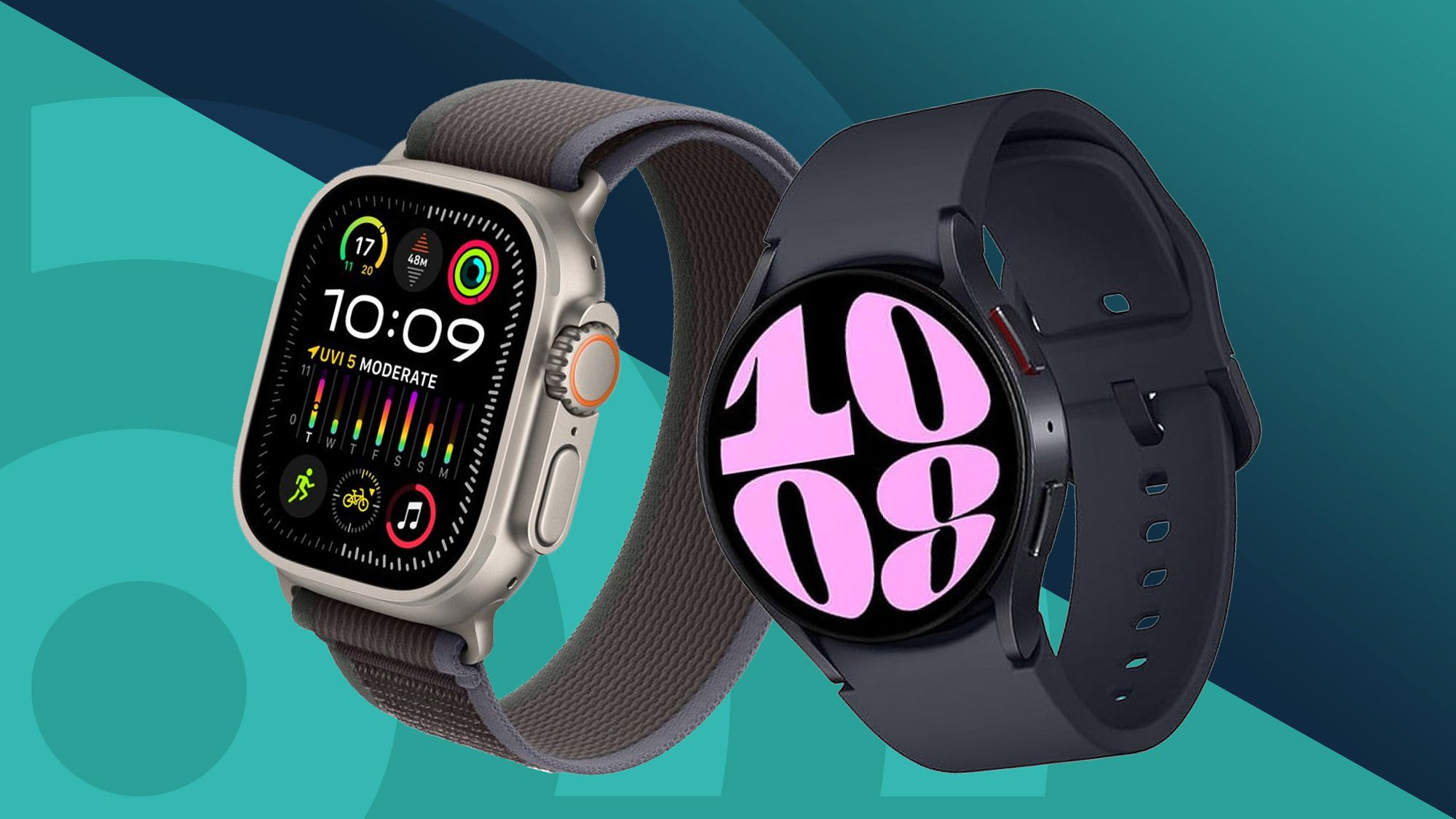
Compatibility & Ecosystem: The Wear OS Advantage
First and foremost, a “best” Android smartwatch needs to play nice with your Android phone. While some brands use proprietary operating systems, Wear OS by Google generally offers the most seamless and integrated experience. This means access to the Google Play Store directly from your wrist, allowing you to download popular apps like Spotify, Google Maps, and various fitness trackers. You’ll also benefit from tight integration with Google Assistant (or the new Gemini AI), fast updates, and a consistent user interface across different brands.
Battery Life: The Marathon vs. the Sprint
Ah, battery life – the eternal quest! This is often the most significant factor for many users. Some smartwatches are built for daily charging, offering a day or two of power with all features blazing. Others, especially those from brands like OnePlus or TicWatch, prioritize endurance, stretching usage to several days or even weeks. It truly comes down to your habits. Do you mind charging it nightly, or do you need it to last through a long weekend adventure? “A smartwatch that lasts barely a day can be a real pain, especially if you rely on sleep tracking,” says Dr. Emily Carter, a tech reviewer and fitness enthusiast. “Look for at least 24-48 hours for general use, and much more if you’re an outdoor type.”
Health & Fitness Tracking: Your Personal Wellness Coach
Modern Android smartwatches are health powerhouses. Beyond basic step counting and calorie tracking, expect features like:
- Heart Rate Monitoring: Continuous tracking for insights into your cardiovascular health.
- Blood Oxygen (SpO2): Important for sleep analysis and understanding overall respiratory wellness.
- ECG (Electrocardiogram): For detecting signs of atrial fibrillation.
- GPS: Built-in GPS allows you to accurately track runs, cycles, and hikes without carrying your phone.
- Sleep Tracking: Detailed insights into sleep stages, quality, and recovery.
- Stress Management: Tools and guided breathing exercises to help you stay calm.
- AI Coaching: Newer models, especially from Samsung and Google, offer personalized coaching for workouts and even sleep.
- Fall Detection and Emergency SOS: Crucial safety features that can alert emergency contacts if you take a hard fall.
Stunning Displays & Durable Designs
A smartwatch should be a joy to look at and wear. AMOLED displays are now standard for high-end models, offering vibrant colors, deep blacks, and excellent brightness (up to 3000 nits on some premium watches), making them legible even in direct sunlight. You’ll find a mix of classic round faces and modern square designs, crafted from materials like sapphire glass, titanium, and aluminum. Water resistance (often 5ATM or IP68) is also a key feature, allowing you to swim and shower with your device without worry.
Smart Features & Connectivity: Beyond Just Time-Telling
These features transform a simple watch into a true smart device:
- Notifications: Get alerts from your favorite apps, messages, and calls right on your wrist.
- Contactless Payments (NFC): Pay for groceries or your morning coffee with a tap of your watch.
- Music Control: Manage your playlists and volume without pulling out your phone.
- Voice Assistants: Google Assistant or Gemini AI on Wear OS watches let you set timers, ask questions, and control smart home devices with your voice.
- Standalone LTE: Some models offer cellular connectivity, meaning you can make calls, send texts, and stream music even when your phone is nowhere in sight.
Top Picks for the Best Android Smartwatch in 2025
Now that we know what to look for, let’s explore some of the best smartwatches for Android that are making waves in 2025.
Google Pixel Watch 4: Overall Performance & AI Integration
The Google Pixel Watch 4, particularly the 45mm model, often takes the crown for its seamless integration with the broader Google ecosystem and Fitbit’s robust health tracking. It boasts a sleek, minimalist design, a super-bright and responsive AMOLED touchscreen, and notably improved battery life compared to its predecessors. With Google’s Gemini AI assistant built-in and accessible via a simple wrist gesture, it offers unparalleled smart capabilities and proactive health insights. Its safety features, including Loss of Pulse Detection, are also considered best-in-class.
Samsung Galaxy Watch 8 Series: Versatility & Samsung Ecosystem Excellence
Samsung continues to be a dominant force, and their Galaxy Watch 8 series (including the standard, Classic, and Ultra models) offers something for everyone. The Galaxy Watch 8 introduces a redesigned, flatter profile and impressive 3000-nit display, along with AI coaching for sleep and fitness. The Galaxy Watch 8 Classic brings back the much-loved physical rotating bezel, adding a tactile element to navigation. For adventure seekers, the Galaxy Watch Ultra is a rugged titanium beast with extended battery life and advanced GPS, perfect for off-grid explorations. All models benefit from Samsung’s comprehensive health suite and the integration of Google Gemini.
OnePlus Watch 3: Unbeatable Battery Life
If you’re tired of daily charging, the OnePlus Watch 3 is a game-changer. It stands out with a genuinely impressive battery life, often lasting several days on a single charge – some users even report up to 120 hours in certain configurations. Its streamlined design looks good whether you’re at the gym or in a meeting, and it provides stellar health tracking capabilities. This is a fantastic option for those who prioritize longevity without sacrificing core smartwatch features.
Garmin Forerunner Series: For the Serious Athlete
While perhaps not “smart” in the same way as Wear OS devices, Garmin’s Forerunner 165 and 265 models are unparalleled for athletes. These watches excel in accurate GPS tracking, advanced workout metrics, and recovery insights. They boast bright AMOLED displays and robust battery life, especially when focused on activity tracking. If your primary goal is serious fitness monitoring and data analysis, and you’re willing to trade some smart features for superior athletic performance, Garmin is your go-to.
Budget-Friendly Alternatives: Smart Tech for Every Wallet
You don’t need to break the bank to get a great Android smartwatch.
- Samsung Galaxy Watch FE: Offers many flagship features at a more accessible price point, making it an excellent entry into the Samsung ecosystem, particularly for those with smaller wrists.
- OnePlus Watch 2R: A strong budget option, providing solid performance and good battery life without the premium price tag.
- Amazfit Active 2: Features a bright AMOLED display, built-in GPS, and impressive battery longevity, proving that great value can come with extensive features.
Choosing Your Perfect Android Smartwatch: A Buying Guide
So, how do you make the final decision? It’s all about matching the smartwatch to your lifestyle.
Consider Your Daily Needs
- Fitness Fanatic? Prioritize accurate GPS, heart rate, SpO2, and advanced workout modes (Garmin, Samsung, Pixel).
- Tech Enthusiast? Look for the latest AI integration, app ecosystem, and seamless phone connectivity (Pixel, Samsung).
- Minimalist? Focus on design, essential notifications, and long battery life (OnePlus, some hybrid options).
- Outdoor Adventurer? Seek ruggedness, extended battery, and robust navigation (Samsung Galaxy Watch Ultra, Garmin).
Prioritize Battery Life (Again!)
Seriously, think about it. If you track sleep, you can’t charge it overnight. If you travel, you want it to last. A watch with 24-48 hours of battery life is good for most, but anything beyond that is a huge bonus and reduces battery anxiety significantly.
Fitness First? Check the Sensors!
Make sure the smartwatch has the sensors you actually need. Basic heart rate and step counting are standard, but if you want ECG, blood pressure monitoring, or advanced running dynamics, confirm those are included and accurate. Michael Chen, a personal trainer and tech reviewer, advises, “Don’t just look at the sensor list; read reviews about their real-world accuracy. That’s where the rubber meets the road for fitness data.”
Design and Comfort Matter
You’ll be wearing this device all day, every day. Does it feel good on your wrist? Do you like the aesthetic? Is it too bulky or too small? Try one on if you can. The material, strap options, and weight all contribute to long-term comfort and whether you’ll actually keep wearing it.
Budget Wisely
Smartwatches range from budget-friendly to ultra-premium. Determine what features are non-negotiable for you and set a realistic budget. Often, you can find excellent value in slightly older models or dedicated budget lines that still offer fantastic performance.
Frequently Asked Questions
What is Wear OS and why is it important for Android smartwatches?
Wear OS is Google’s operating system for smartwatches. It’s crucial because it provides deep integration with Android phones, access to the Google Play Store for apps, Google Assistant/Gemini, and consistent software updates, creating a cohesive and feature-rich experience for users.
How long should I expect the battery to last on an Android smartwatch?
Battery life varies greatly. Many full-featured Wear OS smartwatches offer 24-48 hours of usage. However, some models, like the OnePlus Watch 3 or TicWatch Pro series, can last several days or even weeks by optimizing power usage or using dual-screen technology.
Can Android smartwatches track advanced health metrics like ECG and SpO2?
Yes, many premium Android smartwatches, including those from Samsung and Google, now offer advanced health tracking features such as ECG (electrocardiogram) for heart rhythm analysis, SpO2 (blood oxygen saturation), and even blood pressure monitoring, though some features might require specific phone compatibility or regulatory approval.
Are all Android smartwatches waterproof?
Most modern Android smartwatches come with a certain level of water resistance, typically rated at 5 ATM or IP68, making them suitable for swimming and showering. However, it’s always best to check the specific water resistance rating of your chosen model to ensure it meets your needs.
Can I make calls and send texts without my phone using an Android smartwatch?
Yes, many Android smartwatches offer an LTE variant that allows you to make calls, send texts, and stream music independently of your phone, as long as you have an active cellular plan for your watch. This is a fantastic feature for staying connected on the go.
What are the best Android smartwatches for fitness tracking?
For dedicated fitness enthusiasts, Garmin’s Forerunner series offers superior GPS accuracy and advanced training metrics. However, the Google Pixel Watch 4 and Samsung Galaxy Watch 8 series also provide excellent, comprehensive health and fitness tracking with tight integration into their respective ecosystems and AI coaching features.
How often should I replace my Android smartwatch?
Typically, an Android smartwatch can last 3-4 years before battery degradation becomes significant and software updates might cease. However, with good care and if you’re satisfied with its performance, you can certainly use it for longer, or upgrade sooner if new features are compelling.
The Perfect Fit for Your Wrist
Choosing the best smartwatch for Android is a personal journey. There’s a dazzling array of options out there, each with its own strengths, whether you’re chasing peak fitness, seamless smart home integration, or simply want to stay connected with style. By considering your personal needs, prioritizing essential features like battery life and health tracking, and exploring the fantastic devices available in 2025, you’re sure to find a smartwatch that not only complements your Android phone but genuinely enhances your everyday life. So go ahead, find that perfect wrist companion and embrace the future of wearable tech!