In a world increasingly driven by technology, it’s no surprise that our gadgets are becoming more intimately connected with our well-being. The ECG smartwatch stands at the forefront of this revolution, transforming from a simple time-telling device into a powerful personal health companion right on your wrist. Imagine having the ability to check in on your heart’s electrical activity anytime, anywhere, and gain insights that could truly make a difference. This isn’t science fiction; it’s the reality of modern wearable technology, designed to empower you with knowledge and proactive health management.
|
Our Picks for the Best Smartwatch in 2026
As an Amazon Associate I earn from qualifying purchases.
|
||
| Num | Product | Action |
|---|---|---|
| 1 | Fitbit Charge 6 Fitness Tracker with Google apps, Heart Rate on Exercise Equipment, 6-Months Premium Membership Included, GPS, Health Tools and More, Obsidian/Black, One Size (S & L Bands Included) |

|
| 2 | Smart Watch for Men Women with Bluetooth Calls, 1.83\"HD Touchscreen Fitness Tracker, 110+Sport Modes, Heart Rate/Sleep Monitor/Pedometer, IP68 Waterproof, Activity Tracker for Android iOS, Dark Green |
|
| 3 | Smart Watch for Men, 120 Sports Modes Smartwatch with 1.83\" HD Touchsreen, IP67 Waterproof, Sleep Monitor, Bluetooth Call & Music Control Fitness Watch for Android/iPhone (Black) |
|
| 4 | SAMSUNG Galaxy Watch 7 40mm Bluetooth AI Smartwatch w/Energy Score, Wellness Tips, Heart Rate Tracking, Sleep Monitor, Fitness Tracker, 2024, Cream [US Version, 1Yr Manufacturer Warranty] |
|
| 5 | Amazfit Bip 6 Smart Watch 46mm, 14 Day Battery, 1.97\" AMOLED Display, GPS & Free Maps, AI, Bluetooth Call & Text, Health, Fitness & Sleep Tracker, 140+ Workout Modes, 5 ATM Water-Resistance, Black |
|
| 6 | WHOOP 5.0/MG Activity Tracker - 12 Month Membership - Health and Fitness Wearable – 24/7 Activity and Sleep Tracker, Personalized Coaching, Menstrual Cycle Insights – 14+ Days Battery Life |
|
| 7 | Smart Watch with Alexa Built-in, 1.83\" HD Touchscreen Fitness Tracker with Bluetooth Calling, Fitness Watch with Heart Rate/Sleep Monitor/120+ Sports, IP68 Waterproof Smartwatch for Android iOS, Pink |
|
| 8 | Smart Watch with Alexa Built-in, 1.83\" HD Touchscreen Fitness Tracker with Bluetooth Calling, Fitness Watch with Heart Rate/Sleep Monitor, 120+ Sports Modes, IP68 Waterproof Smartwatch for Android iOS |
|
| 9 | Smart Watch for Men Women with Bluetooth Calls, Black |
|
| 10 | Apple Watch Series 11 [GPS 42mm] Smartwatch with Rose Gold Aluminum Case with Light Blush Sport Band - S/M. Sleep Score, Fitness Tracker, Health Monitoring, Always-On Display, Water Resistant |
|
The Evolution of Wearable Tech: From Step Trackers to Heart Monitors
The journey of the smartwatch has been a fascinating one, starting primarily as an extension of our smartphones, offering notifications and basic fitness tracking like counting steps. Early models focused on convenience and activity, helping us hit daily movement goals. But as technology advanced, so did our ambitions for what these devices could do. The real game-changer came with the integration of sophisticated health sensors, pushing smartwatches beyond mere fitness into genuine wellness tools. The ability to monitor heart rate continuously was a significant leap, but the introduction of the electrocardiogram (ECG) feature elevated the ECG smartwatch to a whole new level, offering a glimpse into our cardiovascular health that was once reserved for medical clinics.
Understanding Your Heart: What an ECG Smartwatch Does
At its core, an ECG (Electrocardiogram) records the tiny electrical signals produced by your heart as it beats. These signals create a pattern that cardiologists use to assess heart health. A traditional 12-lead medical ECG provides a comprehensive view from multiple angles, but an ECG smartwatch typically offers a single-lead ECG, often referred to as Lead I.
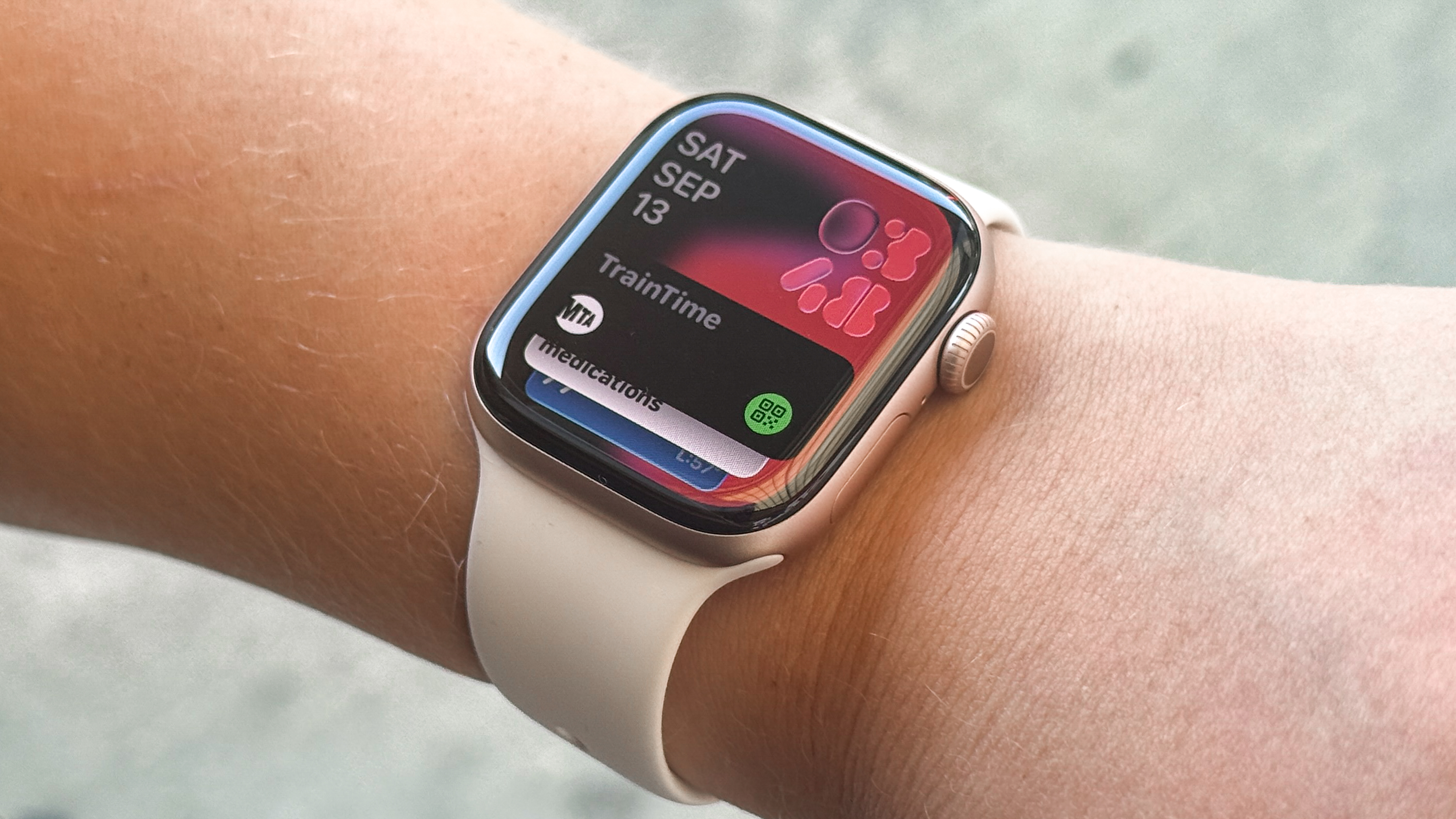
How does it work? It’s surprisingly simple. When you’re ready to take a reading, you usually place a finger from your opposite hand on the watch’s crown or a dedicated electrode. This completes an electrical circuit across your body, allowing the watch to record your heart’s electrical rhythm. The primary purpose of this single-lead ECG on a smartwatch is to detect signs of irregular heart rhythms, most notably Atrial Fibrillation (AFib).
What is Atrial Fibrillation (AFib)?
AFib is a common type of irregular heartbeat that can increase the risk of stroke, heart failure, and other heart-related complications. Many people with AFib experience no symptoms, making early detection crucial. This is where the ECG smartwatch shines, acting as a vigilant monitor that can alert you to potential issues you might otherwise miss. While it can’t diagnose all heart conditions, its capability to identify AFib is a significant step forward in personal cardiovascular monitoring.
Smartwatch ECG vs. Medical ECG: Bridging the Gap
It’s vital to understand that while an ECG smartwatch is an incredibly useful tool, it is not a substitute for a full medical-grade 12-lead ECG or professional medical advice. A medical ECG in a clinic provides a much more detailed picture of your heart’s activity, allowing doctors to identify a wider range of conditions, including signs of a heart attack or structural problems.
However, the smartwatch ECG fills a unique and important gap. Its limitations lie in its single-lead perspective, meaning it cannot detect all forms of arrhythmia, heart attacks, or blood clots. It may also struggle to interpret readings if your heart rate is extremely fast or if the electrical signals are too subtle.
Despite these differences, the value of the ECG smartwatch is undeniable. Many leading models have received regulatory clearances, such as FDA clearance in the US or TGA approval in Australia, specifically for their ability to detect AFib. This regulatory backing underscores their reliability for their intended purpose. As Dr. Evelyn Reed, a leading expert in digital health wearables, puts it, “While an ECG smartwatch won’t replace your cardiologist, it provides an unprecedented level of accessible, on-demand heart rhythm data, empowering users and offering valuable insights for their healthcare providers.” These devices empower individuals to be proactive about their heart health, capturing moments of irregularity that might not occur during a routine doctor’s visit.
Unlocking Health Benefits: The Power of Proactive Monitoring
The true strength of an ECG smartwatch lies in its ability to offer continuous, proactive monitoring of your heart health.
- Early Detection of AFib: For individuals with undiagnosed AFib, particularly those who are asymptomatic, the smartwatch can provide the first alert to an irregular rhythm, prompting them to seek medical attention earlier. This can be life-saving.
- Empowering Personal Health Management: Having a tool on your wrist that allows you to take an ECG reading whenever you feel symptoms like palpitations or dizziness puts you in control. It transforms abstract health concerns into actionable data.
- Facilitating Doctor-Patient Conversations: The ability to record and share ECG readings with your healthcare provider can be invaluable. Instead of simply describing symptoms, you can present tangible data, helping your doctor make more informed decisions about your care.
- The “Pill-in-Pocket” Approach: For some individuals with AFib, smartwatches can support a “pill-in-pocket” strategy, where medication is taken only when symptoms or episodes occur. The smartwatch acts as a reliable monitor to guide this approach, potentially reducing the need for constant medication.
- Holistic Wellness Integration: Many ECG smartwatches also offer other health metrics like heart rate variability, blood oxygen saturation (SpO2), sleep tracking, and even stress monitoring. This comprehensive data set provides a more holistic view of your overall wellness, helping you connect the dots between your lifestyle and your heart health.
Choosing Your ECG Smartwatch: Key Features to Consider
When diving into the market for an ECG smartwatch, a few key features should guide your decision:
- Accuracy and Reliability: Look for models that have received regulatory clearances (e.g., FDA, TGA). This signifies that the ECG functionality has met stringent standards for accuracy.
- Ease of Use: Taking an ECG reading should be intuitive and quick. A simple interface and clear instructions are paramount.
- Battery Life: You’ll want a device that can last for at least a full day, if not several days, between charges, especially if you plan to use it for continuous health monitoring.
- Ecosystem and App Integration: Consider how well the smartwatch integrates with your smartphone and other health apps. A seamless experience for reviewing and sharing your data is essential.
- Additional Health Features: Beyond ECG, consider other health tracking capabilities that are important to you, such as blood oxygen, sleep analysis, stress monitoring, or even blood pressure tracking on certain models.
- Comfort and Style: Since you’ll be wearing it daily, ensure the watch is comfortable and aesthetically pleasing.
- Price Point: ECG smartwatches vary widely in price. Determine your budget and balance it with the features you need.
Navigating the Market: Popular ECG Smartwatch Models
The market for ECG smartwatches is vibrant, with several prominent players offering excellent options:
- Apple Watch (Series 4 and later): Widely recognized for its robust ECG app and AFib History feature, offering detailed insights into heart rhythm patterns. It’s a premium option known for its comprehensive ecosystem.
- Withings ScanWatch: This hybrid smartwatch combines classic analog aesthetics with advanced health features, including a TGA-approved ECG and irregular rhythm notifications. It’s an excellent choice for those seeking a more traditional watch look.
- Fitbit Sense Series and Charge 5: These models have also received regulatory approvals for their ECG apps, offering a user-friendly experience within the Fitbit health ecosystem, which includes strong emphasis on overall wellness.
- Google Pixel Watch: Leveraging Fitbit’s technology, the Pixel Watch integrates an ECG app, providing another strong contender for Android users looking for integrated health monitoring.
Each of these devices brings its own strengths to the table, but all share the common goal of putting powerful heart monitoring technology into the hands – or rather, on the wrists – of everyday users.
Maximizing Your ECG Smartwatch: Tips for Use and Care
To get the most out of your ECG smartwatch, keep these tips in mind:
- Use When Symptomatic: While continuous monitoring is beneficial, take an ECG reading specifically when you feel palpitations, dizziness, or other unusual heart sensations. This allows you to capture events in real-time.
- Share with Your Doctor: Always share your ECG recordings and any irregular rhythm notifications with your healthcare provider. They can interpret the data in the context of your overall health and recommend appropriate action.
- Understand Limitations: Remember, your smartwatch is a screening tool, not a diagnostic device. A normal ECG reading on your watch doesn’t guarantee a completely healthy heart, nor does an irregular reading automatically mean a severe problem. Always follow up with a medical professional.
- Keep it Clean: Regularly clean your smartwatch and its sensors to ensure optimal performance and accurate readings.
- Follow App Instructions: Pay close attention to the instructions provided by your smartwatch app for taking accurate ECG readings.
Expert Insights on ECG Smartwatches
“The advent of the ECG smartwatch has truly democratized access to personal cardiac rhythm monitoring,” says Dr. Anya Sharma, a cardiologist specializing in preventative care. “We’re seeing patients coming in with actionable data they’ve collected themselves, which significantly aids in early detection of conditions like AFib. While it’s crucial to remember these are consumer devices and not medical diagnostics, their role in prompting timely medical consultation is invaluable. They empower individuals to become active participants in their heart health journey.”
Frequently Asked Questions (FAQ)
Q: Can an ECG smartwatch detect a heart attack?
A: No, an ECG smartwatch cannot detect a heart attack. Its primary function is to detect irregular heart rhythms, especially Atrial Fibrillation. If you suspect you are having a heart attack, seek emergency medical attention immediately.
Q: Are ECG smartwatches accurate?
A: Many ECG smartwatches that have received regulatory clearances (like FDA or TGA) are considered accurate for their intended purpose of detecting Atrial Fibrillation. However, they are not as comprehensive as a 12-lead medical ECG.
Q: Who should use an ECG smartwatch?
A: An ECG smartwatch can be beneficial for individuals concerned about their heart health, those with a family history of heart conditions, or anyone who wants to proactively monitor for irregular rhythms like AFib. It’s also useful for people experiencing occasional palpitations.
Q: How often should I take an ECG reading?
A: You should take an ECG reading whenever you experience symptoms such as palpitations, chest fluttering, dizziness, or shortness of breath. Some people also take regular readings for general monitoring.
Q: Can children use ECG smartwatches?
A: Many manufacturers, such as Apple, state that their ECG app is not intended for users under 22 years of age. Always check the specific recommendations and age restrictions for your device.
Q: Do I need a prescription for an ECG smartwatch?
A: No, you do not need a prescription to purchase an ECG smartwatch. These are consumer devices designed for general wellness and health monitoring, although their ECG features are often medically cleared for specific conditions.
Taking Charge of Your Heart Health
The ECG smartwatch represents a significant leap forward in personal health technology, offering an accessible and convenient way to monitor your heart’s electrical activity. By understanding what these powerful devices can do, their limitations, and how to effectively integrate them into your wellness routine, you can take a more proactive role in managing your cardiovascular health. It’s about empowerment through information, giving you the tools to better understand your body and engage meaningfully with your healthcare provider. So, embrace the future on your wrist, and let your ECG smartwatch be your silent partner in a healthier, heart-aware life.